


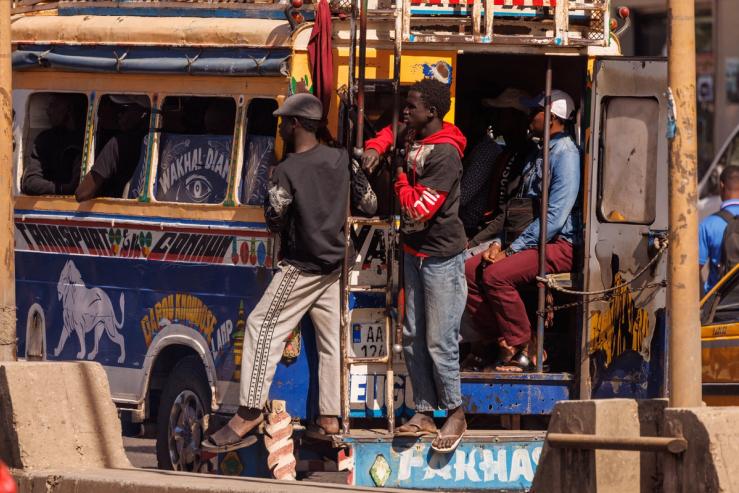
Senegal raised fuel prices by 7% in order to contain the cost of subsidies, underscoring Africa’s vulnerability to foreign energy shocks like the one sparked by the Iran war. The government has spent nearly all of its full-year allocation for fuel subsidies already, after oil prices surpassed the $85 benchmark that the estimate was based on.
Several countries have made moves to reduce their reliance on Middle Eastern supplies — Africa’s richest man is planning a giant, new refinery in East Africa — but the continent still imports around 70% of its fuel needs, forcing capitals into tough fiscal decisions. Ghana, Malawi, Nigeria, and Tanzania are among the African countries that have seen fuel prices rise.
Soaring prices stemming from the conflict have forced African countries to keep interest rates elevated, holding back growth and adding to already high borrowing costs. Making matters worse, S&P has warned that food inflation could be a “delayed fuse” too.