



The Scoop
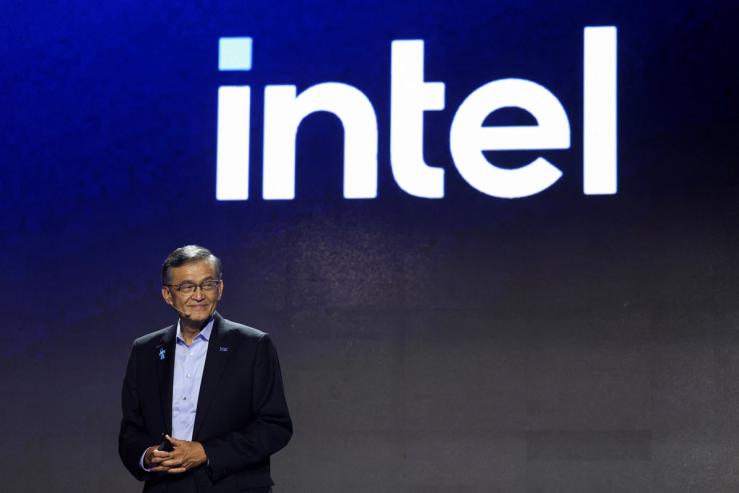
When Intel CEO Lip-Bu Tan was getting ready last week to announce a $15 billion sale of stock, he called his biggest investor: US Commerce Secretary Howard Lutnick.
The government decided not to participate in the new stock sale, Intel’s first since 1971, which will fund AI projects including its delayed Ohio chip factory, according to people familiar with the matter. But Lutnick approved of the idea, the people said. Intel has identified an anchor investor to backstop the secondary sale, which has now been upsized to $20 billion, said one of the people.
The secondary offering will dilute the government’s 9.9% stake. But it’s a vote of confidence in Intel’s turnaround and a sign that Intel can sustain itself with private money. US taxpayers’ returns are up 375% since the Commerce Department bought in a year ago in a deal meant to boost Intel’s domestic manufacturing and Tan, whose resignation President Donald Trump publicly demanded last summer, looks safe in his job.
Spokespeople for Intel and the Commerce Department declined to comment.

Liz and Rohan’s view
Intel’s business has only grown over the last two years, under Tan’s leadership. Tan has won approval from investors for his clear messaging and execution, and for sending signals to the market about where Intel is moving next. One of those signals, sent earlier this year, is that Intel wouldn’t look to tap additional financing unless there was clear customer demand for its chipmaking services, known as Intel Foundry Services, and that the company needed more capital to meet that demand.
So while shares slipped 4% on the announcement — it’s the second largest secondary share offering of all time after Google’s recent offering — investors like what they see in the company’s deal pipeline.
Another feather in Tan’s cap: his deft handling of the government so far. Intel’s relationship with DC had stagnated under predecessor Pat Gelsinger, but the company has since managed to turn its fortunes around enough to keep the lines of communication going.