


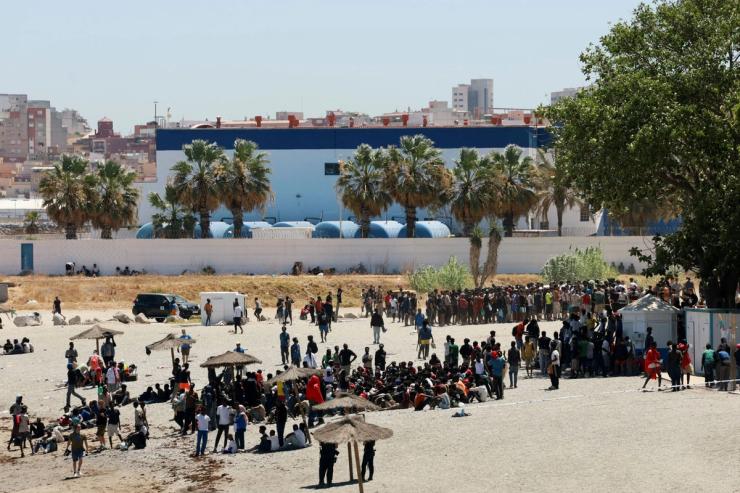
The short-lived intrusion of tens of thousands of Moroccans into Spanish territory last week highlighted a trend of risky migration expeditions by African youth seeking to escape difficult economic conditions at home.
Nearly all of the 50,000 or so people who crossed into Spanish-controlled Ceuta returned to Morocco over the two-day period of the rush, which Rabat blamed on misleading information online and human trafficking gangs. But about 400 travellers who had come from sub-Saharan Africa planned to remain on the border, ostensibly retaining hopes of making it to Europe. “We are staying here,” a 30-year-old Senegalese man, who initially arrived in Morocco via smuggling routes, told the New York Times.
Spain will hasten the repatriation of irregular migrants following the Ceuta incursion, while maintaining anti-trafficking cooperation with Morocco. But Italy’s quick move to pause some of the free movement privileges afforded to Spain under Schengen rules exposed the tense undercurrents tied to migration and security within the European Union.