


Saudi Arabia is quickly being pulled into a war it spent months trying to sidestep. The Houthis’ campaign against the kingdom has widened beyond tanker attacks in the Red Sea: This week the group struck oil facilities in the Eastern Province from Iraqi territory, operating jointly with Iraqi armed groups under Iranian supervision, according to Reuters. Saudi and US jets hit back at Iraqi sites on Wednesday — prompting Iraq’s prime minister to scrap a planned meeting with Saudi Crown Prince Mohammed bin Salman.
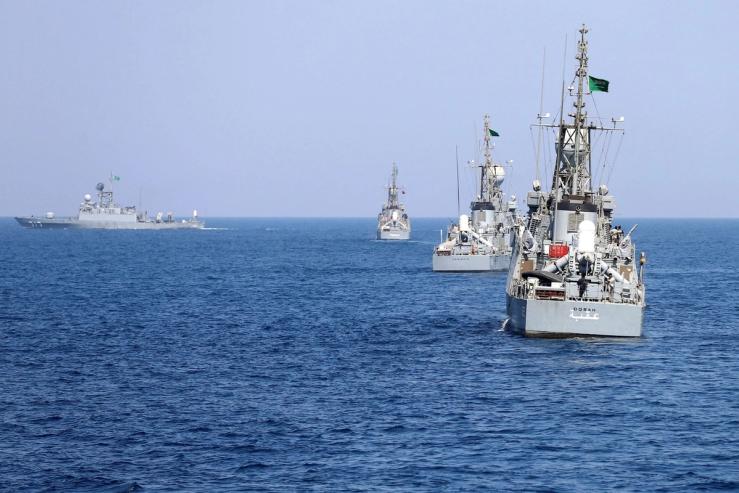
Riyadh’s answer is to institutionalize its defense. It convened military representatives from 43 countries and proposed a maritime coalition covering the Red Sea, Bab el-Mandeb, and the Gulf of Aden. Thirteen states signed on — Kuwait, Bahrain, Qatar, Egypt, Türkiye, and Pakistan among them — though the UAE and Oman were absent. No firm military commitments were made.
The stakes are rising because the Red Sea is now Saudi Arabia’s lifeline: Hormuz traffic remains thin, with just four commodities vessels transiting Friday. The squeeze is reaching Europe, reports The New York Times, where gas storage sits at 54% — the second-lowest summer level since 2011. Energy company Equinor doubts the bloc will hit even its softened 80% winter target.