




Yinka’s view
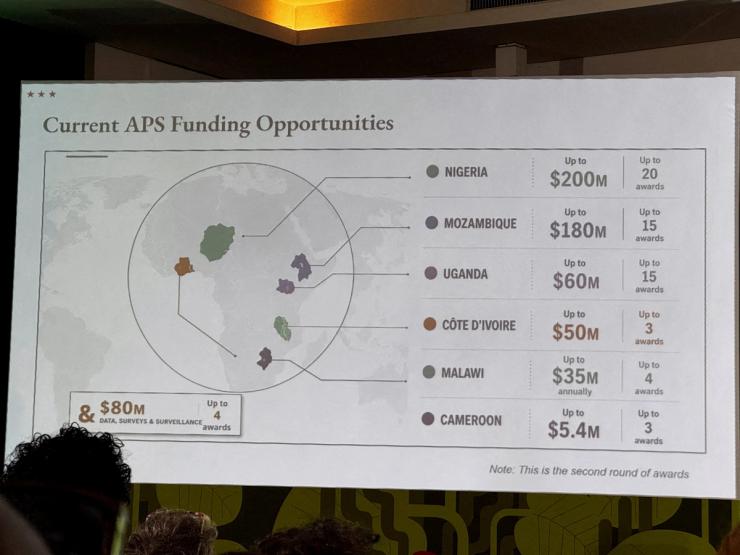
Screenshots of a US State Department map of Africa that mislabeled every country quickly ricocheted through WhatsApp groups and inboxes of Africa policy specialists this week, prompting a mix of disbelief, gallows humor, and embarrassment. The State Department apologized for the error on the reportedly AI-generated map, which was presented at a global conference in Brazil.
For many current and former US officials who have worked on African affairs, the mistake itself was less remarkable than what it appeared to reveal. After the initial amusement and horror came genuine concern that the State Department — the US government’s primary institution for day-to-day engagement with African countries — is no longer as capable as it once was after 18 months of reconfiguration under the current Trump administration. The department has lost somewhere between a fifth and a third of its staff, depending on whose estimates you believe, while senior diplomatic representation across the continent has also been hollowed out.
“You can draw a straight line between the lack of 37 ambassadors and the map screw-up. It points to understaffed vetting processes,” said Witney Schneidman, who has spent four decades working on US-Africa policy in and out of government, under both Democratic and Republican administrations.
The map itself was an embarrassing mistake. But what makes it consequential is that it reinforces a broader perception that Africa is no longer receiving sustained attention from Washington, just as the US says it wants deeper partnerships on critical minerals, security, and trade. Diplomacy may seem less tangible than investment deals or military cooperation, but it is the infrastructure that makes those ambitions credible and weakening it is an own goal.
Every vacant ambassadorship, every depleted Africa desk, and every avoidable blunder makes it easier for China to present itself as the more consistent and attentive partner. Washington says it is competing with Beijing for influence across Africa, but moments like this inevitably fuel doubts in African capitals that, despite the rhetoric, the continent still isn’t being taken as seriously as US officials claim.
“While there are many dedicated and experienced professionals in the Africa Bureau and our embassies, they clearly need more support,” said Schneidman, author of the upcoming book, This Africa Idea: A Memoir of Discovery, Diplomacy and Opportunity.

Notable
- US President Donald Trump still hasn’t appointed more than a hundred ambassadors to African countries, including some that are key allies.