




The Scene
Saudi Arabia’s push to become a global soccer power is evolving on and off the pitch after the country spent huge sums signing up international stars. Saudi clubs have paid roughly $2 billion in transfer fees since summer 2023, comparable to the Spanish league in the same period — despite generating a fraction of the revenue. That financial reality is starting to bite.
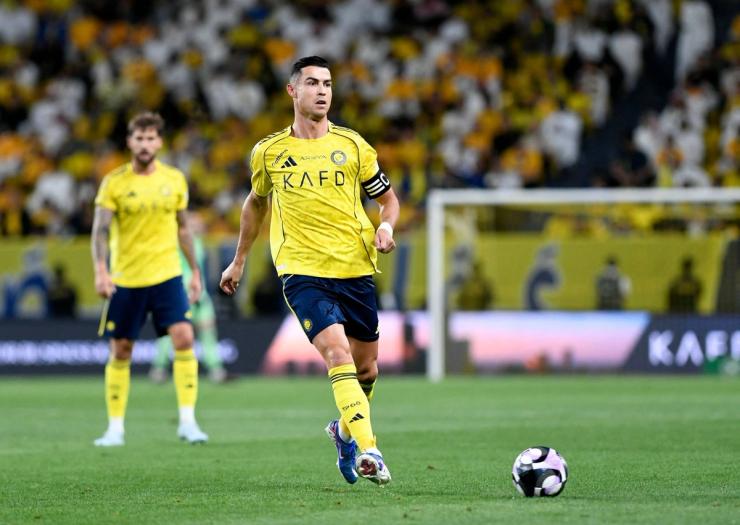
Reigning league champions Al-Nassr have yet to make a single signing this window — and will only be allowed to if they can fund a deal from their own sponsorship and commercial revenue, according to reporting from Saudi sports broadcaster Arriyadiyah. The transfer freeze comes as the club’s owner, Saudi’s Public Investment Fund (PIF), moves to address a financial crisis at the club, whose debts now exceed 800 million riyals ($213 million), according to Arriyadiyah. This follows years of high spending on stars like Cristiano Ronaldo.
PIF is reportedly considering hiring outside consultants to boost revenue and cut costs, stripping Al-Nassr’s management of some financial authority, or agreeing a partial sale of the club. In the meantime, the club has moved to shore up its finances, signing a sponsorship deal with HUMAIN, the PIF-owned AI company.
Al Nassr is not alone: fellow PIF-owned side Al-Ittihad are also keeping spending relatively low this summer. By the end of July 2024, Jeddah-based Al-Ittihad had spent about 374 million riyals ($100 million); at the same point this year, the club had spent about 68 million riyals amid reports of a liquidity crisis.
Riyadh’s Al-Hilal stands out as the exception. No longer under PIF ownership, the club signed Dutch winger Crysencio Summerville from relegated West Ham United for a reported $91 million, fending off Roma and other suitors to complete the Saudi Pro League’s second-most-expensive transfer ever.
Big-name signings from overseas were once commonplace for these clubs, but now they stand out for their relative rarity. The contrast with transfer activity at Al-Hilal has frustrated Al-Nassr’s Ronaldo enough that he briefly sat out matches in protest last season.
Al Nassr and PIF did not respond to requests for comment.

Know More
Al-Hilal’s spending spree is bankrolled by its new owner: billionaire Prince Alwaleed bin Talal controls a 70% stake, worth $373 million, in the club and has previously covered several of Al-Hilal’s transfer fees — including French striker Karim Benzema.
Al-Hilal’s sale is part of a broader adjustment: PIF’s 2026-30 strategy does not list sport among its priority areas, and the fund has also restricted spending at Al-Ittihad and Al-Ahli, the third club it controls. Saudi clubs are now reportedly bracing for player lawsuits over unpaid wages after PIF budget cuts.
Financial issues — in this case, too much spending — have touched PIF’s marquee overseas asset. Newcastle United has been squeezed by English and European financial regulators, forcing the sale of players. The club was fined for breaching financial rules tied to a $230 million sale-and-leaseback of its stadium, and a settlement with the sport’s European governing body now caps Newcastle’s allowed losses — undercutting hopes that PIF money would insulate it from further financial strain.
Money has not brought the Saudi Pro League into the top tier of global football, either. Some big initial signings — including Brazil’s Neymar — have already departed, while last season’s title race was overshadowed by accusations from Al-Ahli’s Ivan Toney and Galeno that referees were favoring Ronaldo’s Al-Nassr, with one official reportedly telling players to focus on the Asian Champions League instead of the domestic league. Al-Ahli released an atypical official statement questioning the officiating of one game in April.
Despite scaling back the domestic league, Saudi’s sponsorship and media spending demonstrate its outsize soccer ambitions. PIF and Aramco are FIFA sponsors and the kingdom will host the men’s World Cup in 2034. The fund is leading the $55 billion acquisition of Electronic Arts, the developer behind the top soccer video game, and its sports investment arm, SURJ, paid roughly $1 billion for a minority stake in streaming platform DAZN earlier this year.

Notable
- Despite lofty expectations, Saudi league insiders say success is if standards are comparable to Dutch clubs rather than Europe’s elite clubs. They hope stronger domestic competition will help develop Saudi talent ahead of the 2034 World Cup, Camilla Wright writes in a column for Semafor.