


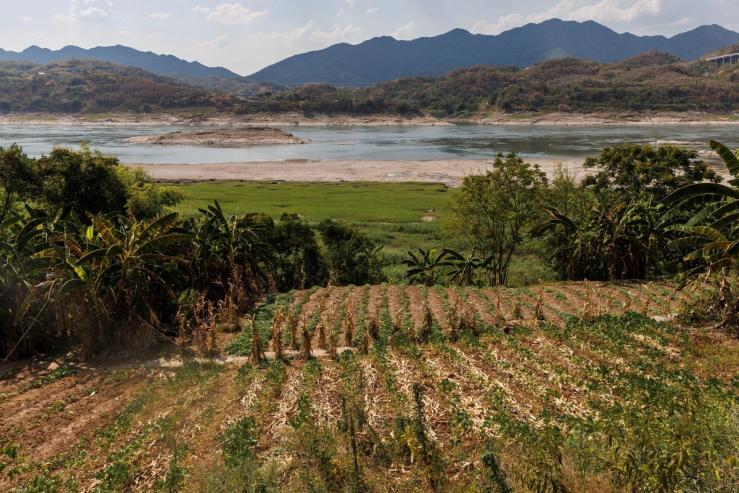
A fishing ban on China’s Yangtze River has led to a remarkable recovery of biomass in the waterway. The 6,300-kilometer (3,900-mile) river, Asia’s longest, had for decades been an environmental disaster: It was a depository of industrial waste, sewage and rubbish, while unsustainable levels of fishing had caused the extinction of some iconic species, like the near-blind baiji dolphin.
However, a 2021 protection campaign has led to a remarkable turnaround, with the total weight of fish in the river tripling in the last few years after decades of decline. The recovery will allow China — the world’s biggest polluter by CO₂ emissions — “to cast itself as a champion of biodiversity,” The Economist reported.