




Yinka’s view
Just as African capitals were working out the cost of the US-Iran war, the prospect of renewed fighting has returned. That should worry policymakers across the continent.
The IMF’s latest World Economic Outlook says the biggest casualties from another disruption to the Strait of Hormuz will likely be smaller, oil-importing economies in sub-Saharan Africa with little fiscal room left after years of overlapping shocks. The IMF expects regional growth to hold at 4.3% in 2026, but says that headline masks a widening divide between countries able to absorb external shocks and those that cannot.
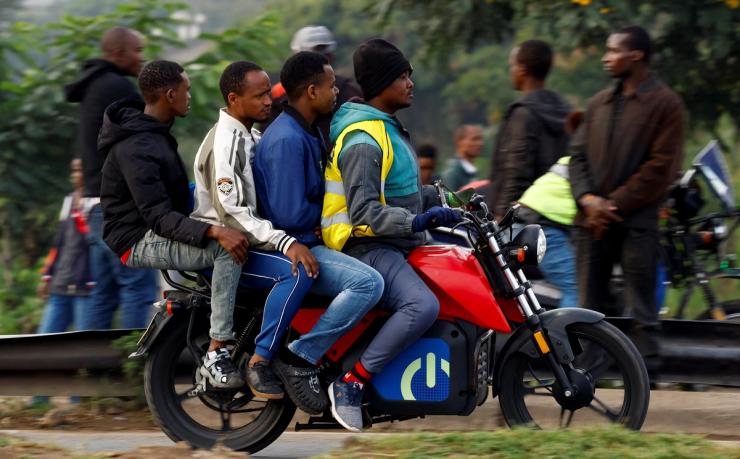
East Africa has had a preview of how bad this can get. Kenya, Tanzania, and their neighbors — almost entirely dependent on imported refined fuels — have seen pump prices spike since April as the conflict disrupted shipping and raised insurance costs. In countries where people and goods move mainly by road rather than rail, higher fuel costs ripple through nearly every household budget.
The IMF warns that prolonged disruptions to energy and fertilizer markets could also worsen food insecurity, particularly for countries dependent on smallholder farmers who cannot compete with wealthier nations for increasingly costly inputs. This “could heighten the risk of social unrest and domestic political instability,” especially where policy space is limited and elections loom.
That is why the enthusiasm around Nigerian billionaire Aliko Dangote’s proposed $17 billion refinery in Kenya’s coastal town of Lamu is about more than another industrial megaproject. The planned 700,000-barrel-a-day facility would supply East African countries now reliant on imported petroleum, reducing their exposure to supply disruptions and refining bottlenecks abroad.
For years, African leaders have argued that value addition should apply to minerals, not just raw ore. The Hormuz crisis suggests the same principle applies to energy. Refining more fuel at home won’t end all vulnerability to geopolitical turmoil, but it would leave fewer countries at the mercy of supply chains they don’t control.

Notable
- With uncertainty comes opportunity: A long-term closure of the Strait of Hormuz could “encourage African states to diversify their sources of finance, strengthen regional institutions and pursue more balanced relationships with external powers,” Al Jazeera wrote.