


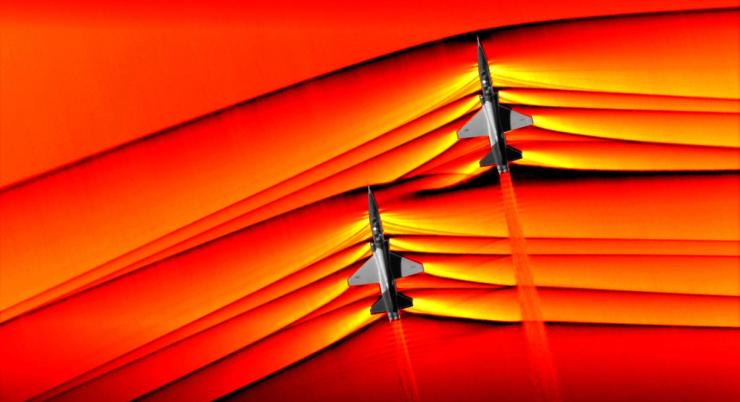
Regulators proposed a change to the 53-year-old ban on supersonic flight over the continental US.
Planes traveling faster than sound cause sonic booms, which can be amazingly loud: Concorde’s distinctive double-bang sound was as deafening for people on the ground as thunder, and supersonic military aircraft shattered windows in the 1960s.
The restrictions prevented Concorde from flying transcontinental routes, making it even less economically viable to operate. But the ban was on speed, not noise: If a quieter supersonic jet was invented, the rules would still not permit it to cross the US.
Now that such aircraft are realistic near-future possibilities, the Federal Aviation Administration is planning a move to limit noise, rather than speed.