




Tim’s view
In a world riveted by an unprecedented fossil fuel crisis, does anyone have time for a big summit on climate change? In London this week, it seems the answer is yes.
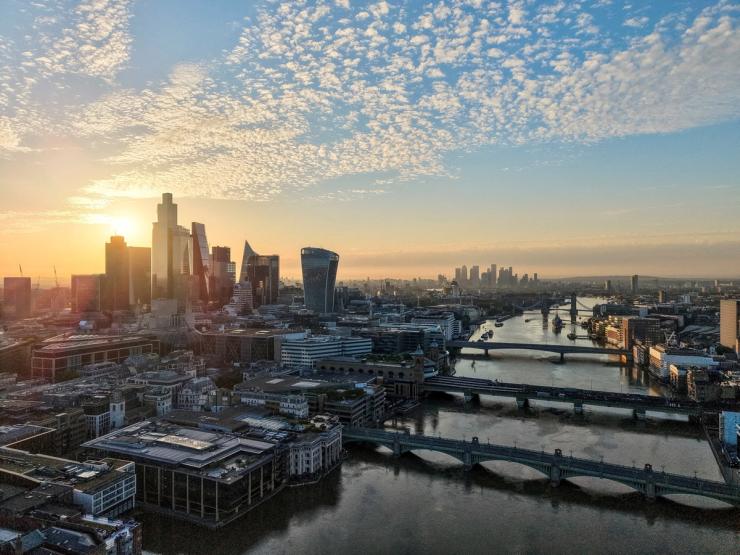
London Climate Action Week, now in its eighth year, was designed as a waypoint between COP conferences, and a place to elevate the work of entrepreneurs and organizers that can sometimes fall through the cracks at diplomatic summits.
Like its sister event in New York in the fall, LCAW is more a sprawling assemblage of mini-events than one cohesive thing. Nick Mabey, who leads the environmental think tank E3G and also chairs LCAW, told me that although he can count more than 1,000 events (up from 750 last year) and at least two dozen global ministers and leaders in attendance, it’s impossible to count the total number of participants. And while climate may have fallen off global headlines in the last year, the scale of LCAW “is exposing there’s a difference between the elite media conversations and what many people are actually doing.”
One overarching theme this year, he said, is “cooperation in a fragmented world. Yes, the world’s difficult. Geopolitics and war are getting in the way. The Americans aren’t in [the global climate diplomacy conversation]. But new coalitions are forming all the time.”
The war in Iran has brought the goals of climate activists and hard-nosed security officials closer together. The upcoming COP summit in Turkiyë will focus on electrification, a goal that serves both groups, and which will also be the central theme in London this week. “Big things never get done for only one reason,” Mabey said. So as the world begins to construct the post-Hormuz security landscape, a summit on climate may be more urgent than ever.

Notable
- New UK government data revealed that private sector companies have pledged “more than £100bn in investment into the green economy so far in this parliament,” the Guardian wrote.