




The News
Gulf sovereign wealth funds are expected to look for ways to do more deals and profit from market volatility caused by the Iran war over the next few months, according to US asset manager TCW’s top executive in the region.
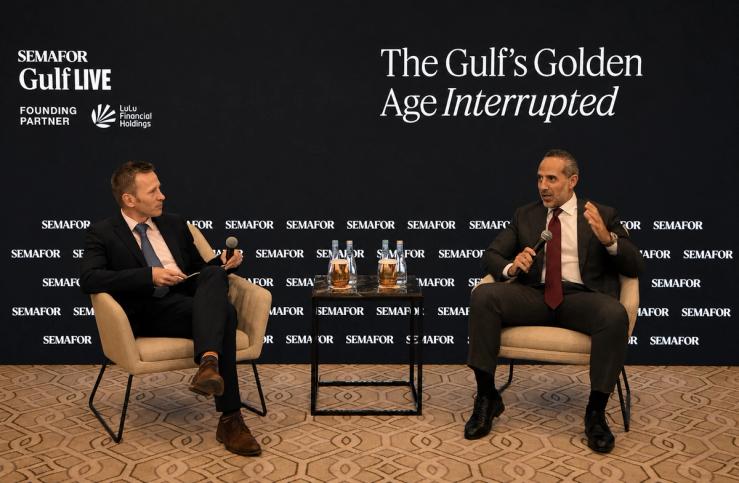
Sovereign investors across the region, which together control around $5 trillion, have the liquidity to move quickly: “when everyone else steps back sovereigns will step in,” Wael Younan, co-head of sovereign wealth management at TCW, said at the debut Semafor Gulf Live event in Abu Dhabi on Thursday.
The UAE was the top target of Iranian missile and drone strikes during the conflict. Yet Wall Street’s biggest firms are unlikely to be deterred from opening offices or expanding in the Gulf, Younan said. The region’s sovereign funds have evolved from allocators into “an integral part of the global economy,” he said.

Know More
The world’s biggest finance firms and their bosses have flocked to the Gulf in recent years, attracted by a vast pool of sovereign wealth and ambitions to make regional cities into business and finance hubs. No longer content to simply send money to asset managers abroad, Gulf states are increasingly looking to partner with firms that will also commit to opening offices, hiring staff, and investing in the region.
TCW opened its first office in the Middle East almost two years ago, and hired Younan from Goldman Sachs to help build out its presence in the Gulf.
“We are going to continue to see more and more firms open here and see those that are here already deepen their presence,” said Younan. “As an asset manager or a General Partner, you want to partner with the sovereigns here.“Gulf sovereign wealth funds ramped up dealmaking in the last three months, even as oil revenues came under pressure from the closure of the Strait of Hormuz. The region’s five biggest investors spent almost $26 billion during March, April, and May, a higher deployment rate in that period than over the previous five years.