




Mohammed’s view
On Friday, the US and Iran are expected to sign an interim agreement, providing space for more detailed discussions to end the war. After 111 days of conflict — most of it spent under a ceasefire — little will change on the surface. Tehran remains under the same regime, Washington will maintain its military presence in the Middle East, and Israel has pledged to keep its finger on the trigger.
The Gulf, however, is entering a new era. We’ve covered the shifting alliances, economic damage, and strategic recalculations already underway. When details of the memorandum of understanding emerge, there will be more to analyze. Beneath the surface, though, lies another consequence: renewed Sunni-Shia tensions.
Islam’s schism isn’t the primary driver of the region’s conflicts, but it is deployed across the Middle East and beyond — cynically — in pursuit of state and political ambitions. Since 1979, the Islamic Republic has built powerful proxies across the Arab world that are overwhelmingly Shia, with Hamas a notable exception. Gulf governments, meanwhile, have dabbled abroad as well, while trying to address grievances among their own Shia populations to prevent them from becoming pawns of Tehran.
War complicates the domestic front, turning any dissent into treason. Since March, authorities in Bahrain, Kuwait, Qatar, and the UAE have cracked down on alleged Iran-linked militants and sympathizers.
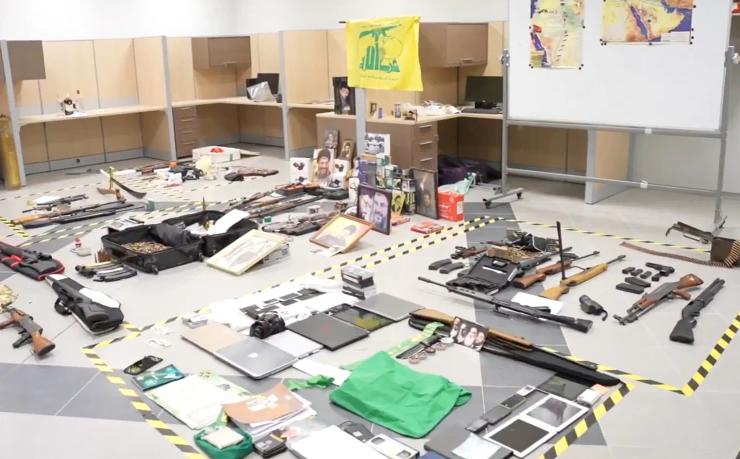
A Kuwaiti television presenter was sentenced to three years in prison for endorsing Iranian strikes. Pakistani Shia workers were deported from the UAE. Bahrain banned public mourning for Iran’s late supreme leader and has handed life sentences to men convicted of links to Iran’s Islamic Revolutionary Guard Corps. Qatar and the UAE have also made arrests: In one police video, officers detained a man wearing a turban during a nighttime raid — it’s unlikely he would keep the headwear (associated with Shia clerics) in bed. Others have shown weapons, cash, and phones displayed alongside photos of Iranian and Hezbollah leaders. The message is clear about who is portrayed as threatening the homeland.
Officials across the divide rarely describe the other side as a religious competitor. But Muslims in the region have long learned to watch for what isn’t said. The risk in the Gulf is that the messaging surrounding police raids revives exclusionary language that governments have spent years trying to suppress, and that remains common in the sectarian politics of Iraq, Lebanon, and Syria. One UAE influencer, commenting on attacks against Gulf civilian infrastructure, recently used a slur against Shia without any public repercussions.
Still, there are also state-led efforts to separate Tehran’s actions from the sect the regime claims to represent. Television commentators make that distinction, stressing that Arab Shia are fellow citizens, were before 1979, and will be after this conflict fades.
Containing Iran’s influence without inflaming a domestic front appears to be the priority. Walking that line under fire is the challenge that will persist even if a US-Iranian peace prevails.

Notable
- Tensions between Sunnis and Shias have long been exploited in the rivalry between Iran and Saudi Arabia. This interactive guide from the Council on Foreign Relations examines the history of the Sunni-Shia divide and its often deadly repercussions in the modern Middle East.