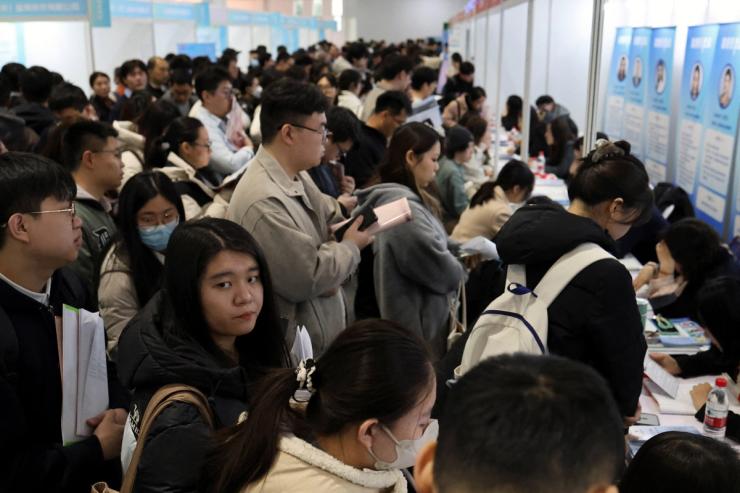
China’s gig economy has absorbed many of the country’s millions of unemployed people, though experts questioned its capacity to take in new workers.
More than 200 million people are flexibly employed in the world’s second-largest economy, but AI has made many of those jobs precarious, threatening economic stability, the South China Morning Post reported.
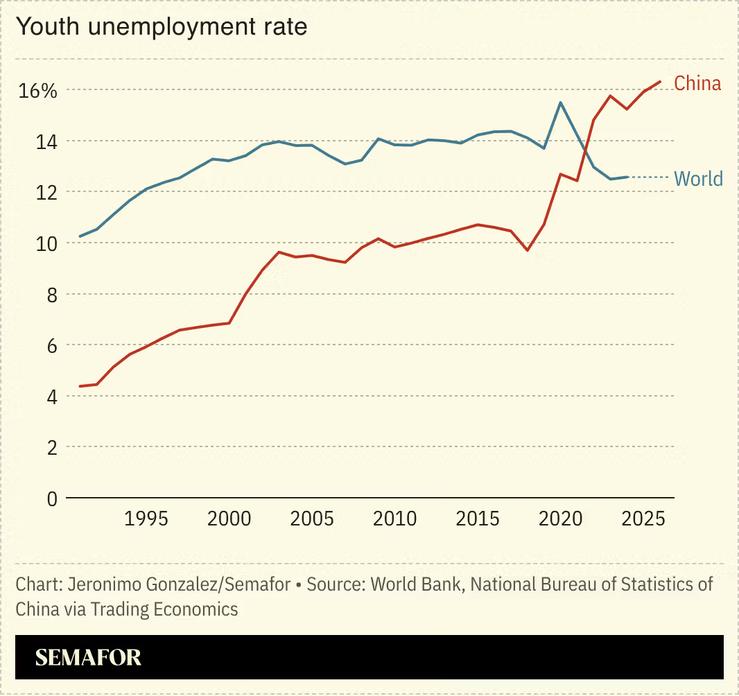
Meanwhile, cooling growth in the gig economy is widening a divide within the blue-collar labor market, with the number of ride-hailing drivers, truck drivers, and livestreamers declining, Caixin said. Experts fear slowing economic growth — Beijing set its 2026 growth target at 4.5-5%, the lowest in decades — could stoke persistently high youth unemployment rates. “The employment situation is severe,” an expert at Zhejiang University said.