




The News
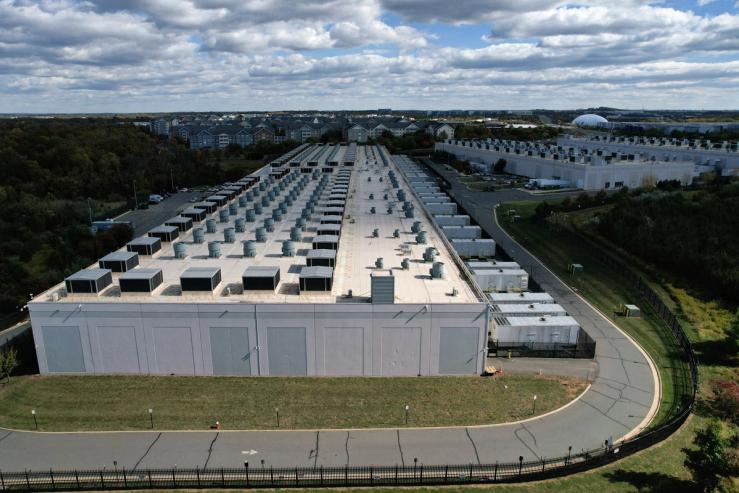
Josh Parker has a tough job. As the artificial intelligence boom is greeted by a skeptical America, Nvidia’s head of sustainability wants to educate policymakers and the public about the positive impacts that the technology — and especially data centers — can have on communities.
“I don’t think it’s irrational for people to have anxiety about the future, because AI is so transformative, and we’re entering an era of unknowns and transformation,” Parker told Semafor.
He contended, however, that data centers’ adverse impacts, including higher electricity costs, are smaller than people think and “the benefits are very, very significant.” Although the net upside “works out very positively, we just have a big mountain to climb in terms of helping people understand that,” he said.
Parker touted tax benefits offered by some states to encourage data center construction and jobs created by the projects. He argued that data centers “strongly support energy affordability” by incentivizing grid upgrades, plus technologies that make them “assets to the grid.”
Nvidia, in partnership with other companies, is piloting technologies that allow data centers to adjust their power usage during periods of peak demand. The setup “increases the utilization of the energy infrastructure and ultimately leads to better efficiencies and should support energy affordability,” Parker explained.
In this article:

Know More
The challenge, Parker acknowledged, is communicating the industry’s solutions to consumers, especially when the benefits of AI aren’t immediately tangible and as consumers blame data centers for spiking utility bills.
Recent Gallup polling found that seven in 10 Americans oppose building data centers in their communities, opposition that extends across the ideological spectrum. Half of the opponents of the projects cite drain on resources — like energy usage and environmental effects — in resisting them, while one in five point to higher costs.
Parker countered that data centers have a much smaller impact on energy bills than other factors, like national policy and the state of the local grid. “That’s hard for people to understand, especially as you see energy bills going up at the same time as we’re building new AI data centers, but other factors are much, much more influential,” he said.
He also refuted predictions that AI would fuel massive job losses, an issue that is attracting more attention on Capitol Hill as lawmakers field concerns from their constituents.
“The more recent data suggests that AI is not causing the apocalypse that people had feared,” Parker said. “In the near term, it’s absolutely creating jobs.”

Room for Disagreement
A Bloomberg analysis published last year found that electricity cost up to 267% in an given month than it did five years prior in areas near “significant data center activity.”