




Yinka’s view
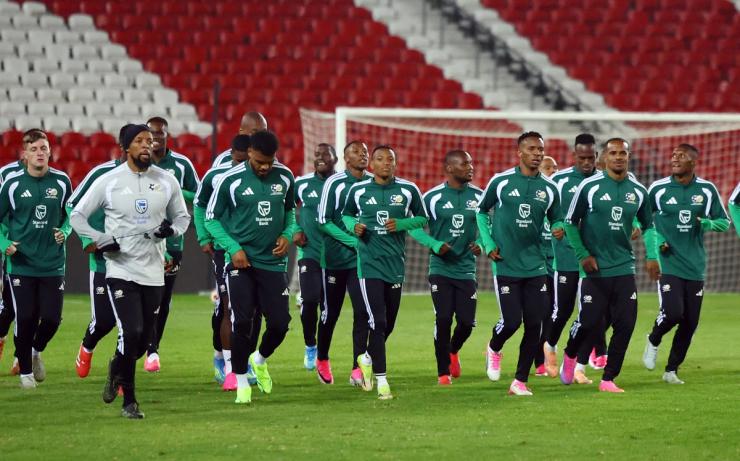
When South Africa’s Bafana Bafana kick off against co-host Mexico on Thursday, they will do so as part of the largest African contingent ever to grace a men’s football World Cup.
The 10 African countries playing across the US, Canada, and Mexico are part of a development story that has become inseparable from migration — and from a pointed question about who the game is actually being built for.
For decades, the measure of African footballing progress was simple: How many of your best players were earning wages in Europe? The number kept climbing. Today that benchmark has been overtaken by something more complex. It is no longer just that African players ply their trade internationally — increasingly, African national teams are fielding players born abroad. DR Congo’s squad draws 20 of its 26 players from outside the country. Morocco, the continent’s top-ranked team, counts 19. Meanwhile, Europe’s leading sides field more and more stars who are descendants of African migration.
New research from economists at the World Bank and the University of Bologna attempts to put a price on that exchange. Their concept, “leg drain,” treats football talent like brain drain: a valuable export whose rewards often accrue elsewhere. They estimate talent redirected through dual-citizenship eligibility is worth more than €20 billion globally — and that Africa is often on the losing end. DR Congo’s actual World Cup squad is valued at €128 million; without leg drain, they estimate, it would command €355 million.
The exact valuations are debatable. The broader trend is not. Diaspora is no longer a subplot in international football. It is one of the forces reshaping the sport and multigenerational African diaspora is a large part of the reason why.
Yet this sits awkwardly alongside new restrictions on movement by the co-host United States. While teams increasingly benefit from globally mobile players, fans from Senegal and Côte d’Ivoire face US travel restrictions, and a Somali referee has been denied entry.
Africa’s influence on this World Cup is impossible to miss. The longer-term question is whether the continent is capturing more of that value — or exporting it.

Notable
- Cape Verdeans, who have seen the US impose travel restrictions on their country, say their team’s success is “a particularly poignant testament to the benefits of migration, which has shaped not only their soccer culture but their country.”