




The News
Luma AI is starting a robotics lab that will allow anyone to train robots on its software, expanding beyond the startup’s video generation models.
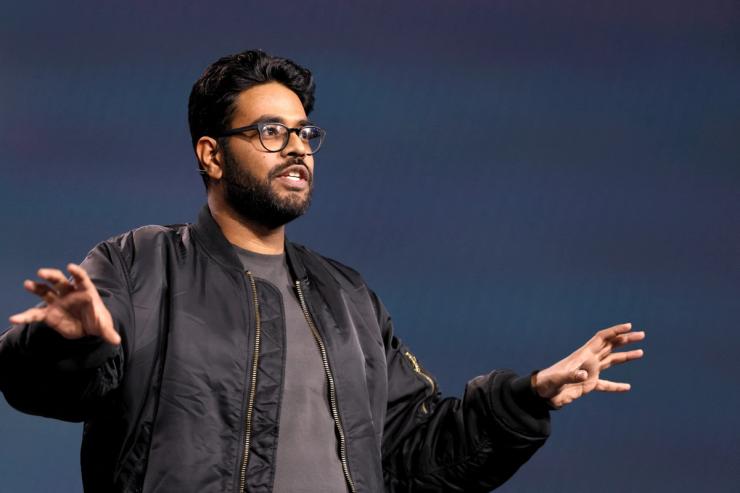
The lab, announced Monday, will be an “open science effort,” CEO Amit Jain told Semafor.
Critical robotics software and infrastructure shouldn’t be “controlled by one or two or three companies,” he said.
Luma, a Palo Alto-based startup whose backers include Saudi-owned HUMAIN and Andreessen Horowitz, isn’t working on hardware. Instead, it is creating a platform where other robotics labs and engineers can visit the lab and “build your own systems on top of” Luma’s tech, Jain said.

Know More
When OpenAI shut down its video generator Sora earlier this year, it said it would keep using the tech internally to advance its robotics efforts. Google and Nvidia also have physical AI ventures alongside video models.
Luma, which raised $900 million last year at a $4 billion valuation, has so far focused on building AI-enabled video products for advertising agencies and major corporations. Now it wants to use its video training data to help program robots so they can operate in unpredictable, real-world environments.
Real-world training data for robotics is an increasingly valuable resource in the AI boom: One German startup, for example, is building a “gym” where robots can work on various tasks, with plans to open it up to outside companies, a similar ethos to Luma’s lab. Another AI startup out of Germany is trying to amass data to help train robots by offering free cleaning services in New York City for people who agree to allow the cleaning to be filmed.
“We’ve finally built enough conviction to believe that the technology has gotten good enough where it can actually be allowed to manifest into the physical world,” Jain said. “We have now reached this conclusion that we really cannot escape.”
Part of Luma’s mission is to make sure robotics training data isn’t only controlled by a single country or company — especially as global competition in robotics intensifies between the US and China. Jain said the superpowers should still share some technology, including chips and AI capabilities, but in critical systems, including robotics, healthcare, and defense, Jain called for “quite a bit of discernment, quite a bit of separation.”