


With all the negative AI sentiment bubbling up among the consumer class, it’s worth taking a moment to note where it’s actually improving people’s lives.
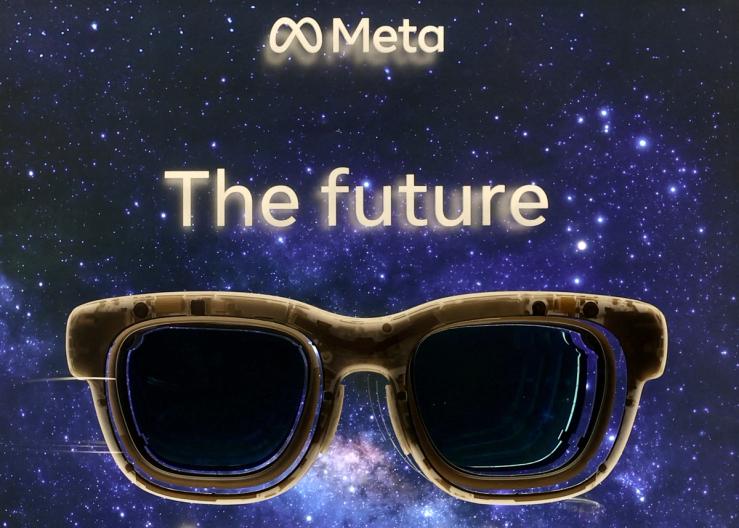
For more than a decade, California-based Aira has been connecting visually impaired people with trained assistants who, through the phone camera, help with daily tasks like reading a menu or finding an item at the grocery store. AI has now enabled Aira, which has worked with Google DeepMind, to develop models that can do that work. It’s also now available hands-free through Meta’s smart glasses.
Aira has no plans to offload any of the few hundred human agents it employs, as there are still tasks — like determining how many stairs are left in a staircase — that are too difficult for AI to assist with, CEO Troy Otillio told Semafor. But it helps solve the company’s ongoing difficulty finding qualified individuals to work as agents. And since AI agents are cheaper than humans, it plans to lower its prices.
“AI helps our visual interpreters be better at their job,” said Everette Bacon, who works as chief of blindness initiatives at Aira. “When a [user] calls in and has a difficult question maybe they’re not familiar with, they can quickly pivot to AI and get answers much faster than they ever could before.”