




Alexis’s view
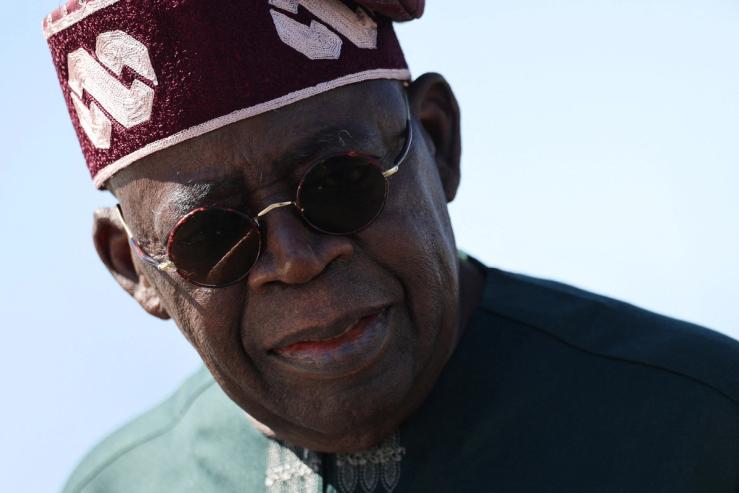
The age contrast in African politics is striking — the youngest continent is led by some of the world’s oldest leaders. They often cling on to longstanding elderly allies, holding back fresh political talent. But Nigeria’s septuagenarian President Bola Tinubu seems to be bucking that trend.
Last month, 70-year-old Wale Edun was replaced as finance minister by Taiwo Oyedele, 20 years his junior. It was emblematic of a broader generational shift: Edun was Lagos State’s finance commissioner a quarter of a century ago when Tinubu was governor, and his ministerial appointment reflected the established order in which a top job follows several years — sometimes even decades — of fealty.
Oyedele’s recent elevation is part of a pattern: Zacch Adedeji, a technocrat in his 40s, was appointed head of the country’s tax agency shortly after Tinubu took office in 2023. The president’s picks for customs chief and accountant general are both in their 50s. Sure, Nigeria’s median age is 18, but these are young pups by African political standards.
Tinubu appears to be upending the patronage system, instead rewarding effective policymaking. The new finance minister, for example, oversaw a tax system revamp that was among the factors cited by S&P in its recent upgrade of Nigeria’s sovereign rating.
But the Nigerian president’s detractors point to another thread that connects these appointees: They’re all from Tinubu’s Yoruba ethnic group, concentrated in southwest Nigeria. So too is the central bank governor he appointed early in his presidency. Tinubu’s critics say he’s concentrating control of key economic levers in his political base.
With the presidential election set for January, Tinubu’s approach could yet backfire. Nigeria’s regional balance of power is maintained through an unofficial system in which two terms of a northern president are followed by two for a southerner. So while Tinubu ostensibly has more runway, opposition candidate Peter Obi — who came third in Nigeria’s last election by canvassing support from his southeast base — has made an unusual vow: Obi says he’d only serve one term, even if coerced to stay longer at gunpoint.
But there’s no escaping the age issue: Obi’s path to the presidency rests heavily on his ability to mobilize young voters, just as he did in the last vote. Age is much more than a number in Nigerian politics.

Notable
- Despite increased political repression in some African nations, upcoming elections could act as a “lightning rod” for Gen Z anger and political change, Semafor wrote during last year’s election season.