




Tim’s view
The great repricing is underway. As much as oil has spiked since the Iran war began, most industry analysts have been more surprised that it hasn’t gone higher still. There are signs that is about to change.
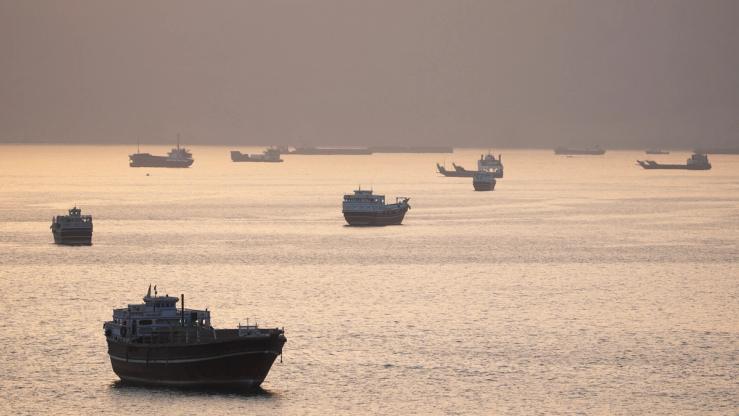
The market didn’t take kindly to the first day of “Project Freedom,” the US Navy’s latest effort to safeguard ship traffic through the Strait of Hormuz. At least two US-flagged ships managed to pass, the Pentagon said, but at the same time Iran launched a new series of attacks on oil storage facilities and tankers. In a development that illustrates the market’s lack of confidence in safe passage through the strait, Iraq is now offering crude at a 70% discount to any ships willing to pick it up from the port in Basra.
Brent remains around $114 per barrel, and US gasoline prices are now pushing $5 per gallon. Barclays and the World Bank significantly upped their forecasts for prices during the rest of the year, a sign that the gravity of the situation is finally landing. And while the world is still on track to have a healthy amount of crude oil in storage by late May, Goldman Sachs analysts wrote this week, supplies of jet fuel, LPG, and other refined products are poised to fall off a cliff in Asia, Africa, and Europe. “The market hasn’t seen the full impact yet,” ExxonMobil CEO Darren Woods warned last week.
Meanwhile, the oil industry is trying to remain calm as severe oil demand destruction — and the lower prices that follow — looms. Ali El Ali, CEO of ZMI Marine, a subsidiary of the UAE’s state-owned ADNOC that operates rigs used for offshore oil and wind projects, told me he’s positioning the company to capture the upside of a renewed global push for renewables. The crisis has accelerated negotiations that were underway in Europe and elsewhere, he said, about both renewables and fossil fuel projects that are less exposed to the Gulf. If a company like ZMI sees its geographic footprint widening, that’s a sign more countries are putting a premium on domestic energy production, and that prewar trade relations won’t be coming back even after prices stabilize.

Notable
- $3 billion flowed into global exchange traded funds linked to green energy in April, the highest monthly net inflows since January 2021, as the war in Iran makes the case for renewables more compelling than ever.