


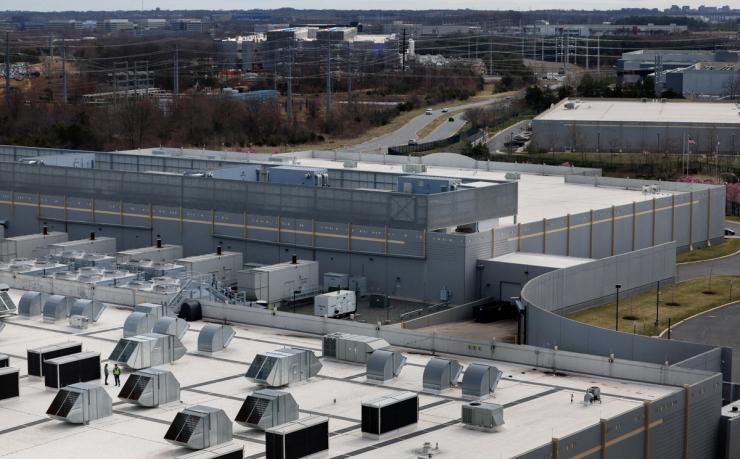
Turmoil at the Texas data center company Fermi is a cautionary tale about what happens when a startup jumps too quickly into the AI development boom. Fermi was an early mover in the “powered land” business model, with a plan to lease space to tech companies on an enormous tract it was equipping with 17 gigawatts of sparkling new gas turbines and nuclear reactors. It had some big advantages, especially political backing from the Trump administration — the president’s former Energy Secretary Rick Perry is a cofounder — that allowed it to secure rare gas turbines from Siemens.
But six months after a high-profile IPO, the company’s share price has crashed, and its CEO and CFO both left their posts this weekend, reportedly over disagreements about whether to sell the firm (Fermi didn’t respond to a request for comment). The biggest problem — among others documented in a good feature this week by cleantech researcher Michael Thomas — was the company’s decision to go public before securing a primary tenant. Other startups pursuing similar projects are now moving much more cautiously, one Wall Street financier tracking the sector told me.
“The project was marketed as AI-ready infrastructure before it’d secured anchor offtake, tenant-driven cooling, financing certainty, and credible delivery sequencing,” said Paresh Patel, founder of Equitable Energy Ventures, a Houston-based clean tech startup investor and adviser. “This was less an AI-demand bust than a bankability collapse inside an over-marketed megaproject that went public before the core pieces were truly locked. The real story isn’t that AI demand is fake or overstated. It’s that [in this case] the market got ahead of what was actually financeable and executable.”