




Reed’s view
Google is facing a new wave of heat from critics who say it’s falling behind on AI coding and that even its own employees are choosing Claude Code over its homegrown products.
This trope may sound familiar: Google caught flack when ChatGPT came out in 2022, prompting a spate of premature obituaries declaring that the tech giant missed the AI wave and wouldn’t be able to catch up with the growing startups.
That narrative was wrong then, and it’s wrong now.
Google, which has a giant frontier AI lab wrapped inside of an enormous, sprawling company, has a very clear beachhead when it comes to AI: consumers.
While Anthropic and OpenAI are busy duking it out over enterprise and government customers, Google is stepping right in to gobble up everyday users that are already accustomed to turning to the tech company to run their email, meetings, and other large swaths of their lives.
Google has had to react quickly before, and this time is no different. As the tech industry reorients around the AI token, it’s turning into a long-term industrial effort that will no doubt determine winners and losers. The “harnesses” built to leverage those tokens, connecting to computer systems and calling on tools, have rocked Silicon Valley but have yet to filter out into the wider world.
OpenAI’s Codex is the closest thing to a consumer harness for AI, but it isn’t really being marketed that way, leaving a gap for someone to fill.
Google hasn’t really spelled out its agentic coding vision to the world. (I asked Gemini to explain it to me. Even it had trouble). But we’re still very early in this product cycle. And there’s still a massive opening for Google to step in and wow consumers with something that gives them control over computers like they’ve never had before.

Notable
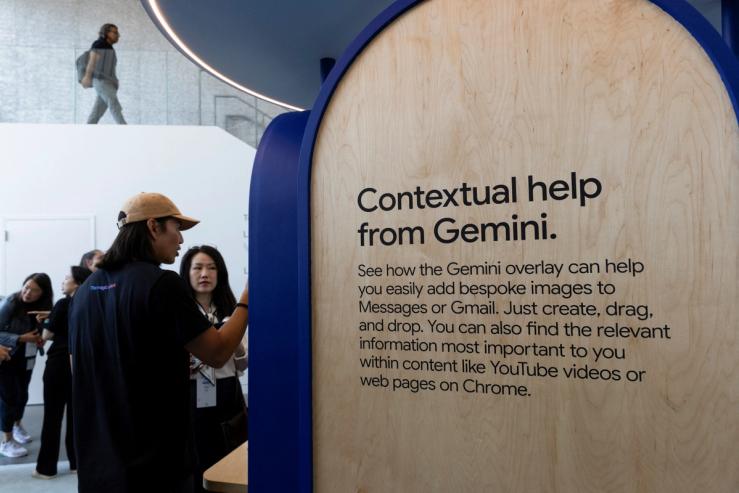
- Google announced earlier this week that it began rolling out Chrome’s built-in version of Gemini to users in Asia-Pacific markets.