




The News
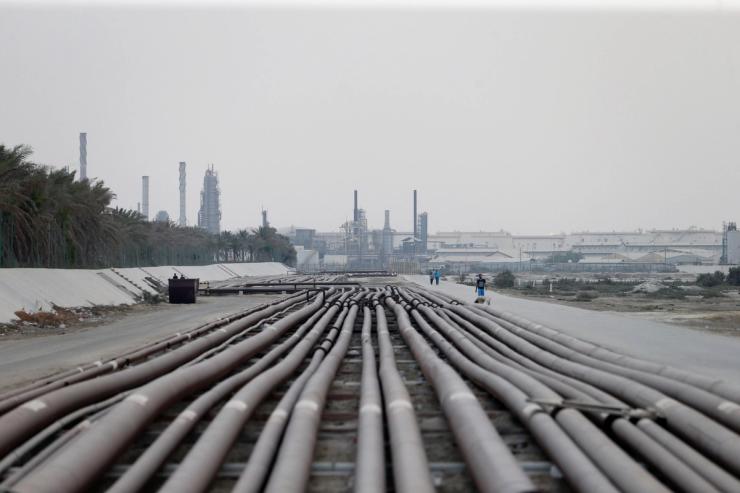
Bahrain’s state energy company Bapco is partnering with US oilfield services giant SLB and US AI startup Geminus to squeeze more oil out of its existing wells and pipelines without having to build new infrastructure.
The deal will see machine learning used in conjunction with SLB’s Pipesim flow simulator, which engineers use to predict how oil, gas, and water will move through wells and pipelines. The result is a system that can run optimizations across Bapco’s upstream network in real time, rather than the hours it typically takes. A first pilot produced measurable results within 12 months, the companies said.
“Every barrel of additional production you unlock from existing infrastructure is the cheapest barrel you’ll ever produce,” Geminus Managing Director Chad Harkness told Semafor.

Know More
Bahrain is the smallest crude producer in the Gulf, but other national oil companies across the region could benefit from similar initiatives. “The problems Bapco is solving aren’t unique to Bahrain,” said Harness. “Every operator running complex refining and upstream assets is dealing with the same physics, the same data challenges, and the same pressure to do more with what they have.”
The question of who owns what the system learns has been a sticking point in similar deals across the industry. Under this agreement, Harkness said Bapco keeps both its raw data and any models trained on it, with Geminus and SLB providing the underlying tools.

Notable
- Saudi Aramco expects $3 billion to $5 billion in value from AI and advanced tech in 2025, as savings from lower drilling and maintenance costs and fewer wells per barrel boost productivity, CEO Amin Nasser said.
- Abu Dhabi’s AIQ has developed AI tools it plans to sell to producers outside the UAE after deploying them across ADNOC’s fields to lift output and improve maintenance.