



The News
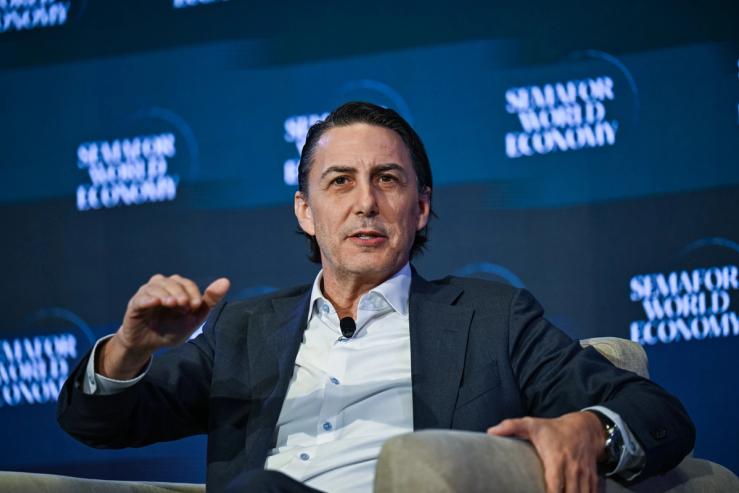
Iran will maintain control of the Strait of Hormuz after the conflict is resolved, reshaping global energy markets for the long term, Amos Hochstein, a top energy and national security adviser to former President Joe Biden, said Thursday at Semafor World Economy in Washington, DC.
“Regardless of how the war ends, Iran will have control of the Strait of Hormuz,” said Hochstein, who is now a managing partner at TWG Global, a holding company that manages investments in energy and other industries. “Once you get that genie out of the bottle, it doesn’t come back in.”
No matter what is in the “ultimate end-of-war documents,” Tehran now knows it has leverage against the US and its neighbors in the region, he said. “They are going to want to keep that piece of leverage, and they won’t give it up.”
Hochstein also argued that the market is underestimating the economic impact of the war, “at its own peril.” He cited the gap between the spot and futures prices for oil, which suggests that investors are anticipating a quick end to the disruptions caused by the conflict.
While Hormuz remains effectively closed and oil supply disruptions to Asia are causing major turmoil, including restaurant closures and shorter work weeks, “the market doesn’t really care about low income countries or middle income countries,” Hochstein said. “They only care about the United States and a few other countries.”

Know More
Hochstein noted that complex nuclear deals involve protracted negotiations on issues such as verification, enrichment levels, and reporting. He predicted that an initial deal would involve an extended cease-fire followed by months of negotiations over a final agreement.