




The News
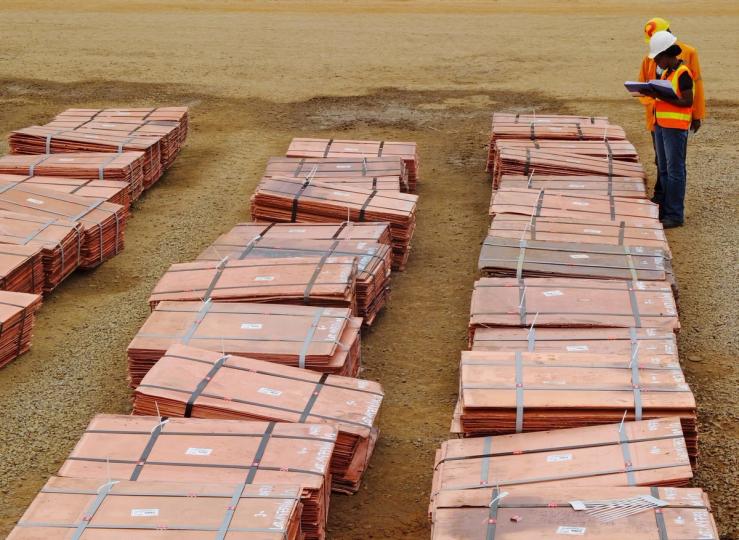
DR Congo’s state miner Gécamines committed five times more copper for sale to the US than previously announced, according to a sovereign debt prospectus filed in London last week.
The 500,000-tonne pledge, which would come through Gécamines’ joint venture with Swiss commodities trading company Mercuria exceeds what the venture first announced in January. The move shows how fast the vehicle — which is central to Washington’s minerals strategy in the country — has grown.
As Gécamines has worked to turn its minority stakes in some of DR Congo’s biggest mines into physical copper it can sell, the total volume under the venture has grown. Its stakes include Glencore’s Kamoto Copper Company (KCC) and the Chinese-run Tenke Fungurume mine, which holds one of the world’s largest, highest-grade copper-cobalt deposits.

Know More
State-backed trading vehicles are emerging as a new experiment in Africa’s Copperbelt with governments keen to claw more influence over lucrative commodity transactions. Zambia’s state investment vehicle, the Industrial Development Corporation, launched a similar Mercuria-backed structure a year earlier, putting DR Congo and Zambia at the center of a model still unusual in mining.
“This is rare for mining,” Ekpen Omonbude, a senior policy adviser at the International Institute for Sustainable Development, told Semafor. “It is more common in oil and gas.”
Gécamines said in December that the partnership with Mercuria would give it greater visibility and control over its holdings and allow it to direct those volumes more strategically. Jean-Claude Mputu, a Congolese mining governance campaigner with Resource Matters, told Semafor that under the old KCC structure Gécamines had little real influence over pricing, buyers, or sales channels.
For now, the trading still runs through Mercuria. People familiar with the arrangement told Semafor that the Swiss trader remains the seller of record because Gécamines does not yet have the legal entity to sell the copper itself. Eventually, Kinshasa wants a future Gécamines trading arm to take over.
But Piotr Kulas, lead analyst for copper supply at Benchmark Mineral Intelligence, told Semafor that he “wouldn’t bet his money on it” happening soon. Metals trading, he said, depends on global connections and offices. Meanwhile Benchmark analyst Albert Mackenzie said building a real trading book also means setting up associated financing, insurance, and risk management.

Notable
- Washington leans on offtake deals and state-backed funding to challenge China’s grip on African minerals, including in DR Congo.