




The News
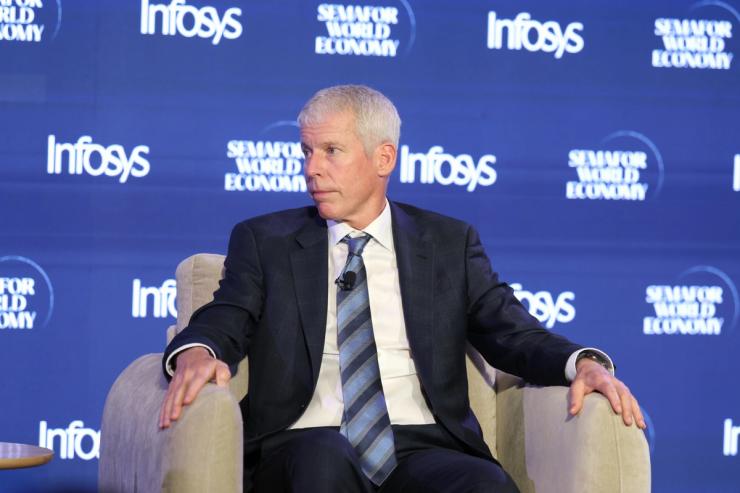
At least 150 million barrels of Venezuelan oil have been sold since the US captured the country’s former President Nicolás Maduro, US Energy Secretary Chris Wright said Monday at Semafor World Economy in Washington, DC.
“In round numbers, probably 150 million barrels of Venezuelan oil have been sold — probably a little more than that, but something like that — since Jan. 3,” Wright said.
Venezuela is currently producing more than 1.2 million barrels of oil a day, Wright said — up from “a little less than” 1 million barrels of oil a day prior to Jan. 3. He said Venezuela also had “a buildup of storage of about 50 million barrels of excess oil that was on these blockaded tankers and that was stored onshore that they couldn’t get to market.”
As the Trump administration seeks to entice US oil firms to re-enter Venezuela, “the interest is quite large,” Wright said. He said there are five US oil firms “in Venezuela right now … from offshore producers to onshore unconventional [producers] to onshore conventional producers.”

Know More
Wright also teased “an announcement very soon” on a US oil firm that’s “the largest producer of oil in Venezuela … ramping up their production,” including by “doing land swaps to be more efficient.” Chevron reportedly signed two agreements Monday to expand its operations in the country.
Also on Monday, Wright said that he no longer anticipated oil prices to go down by this summer. The US on Monday began its blockade of the Strait of Hormuz after weekend negotiations with Iran proved unsuccessful.
“By this summer is an aggressive timeframe now,” Wright said, adding later: “We’re going to see energy prices high and maybe even rising until we get the ships, meaningful ship traffic, through the Strait of Hormuz.”
“It’s a very real possibility” that oil prices rise higher than they have, Wright said. “But once the conflict ends and energy starts flowing again, you’ll start to see downward pressure, but it will take some time. Depending upon the longer the conflict goes, the longer the rebound is.”