




The News
Inflation rose three times faster in March than the previous month as the war in Iran spiked fuel prices, the Labor Department reported Friday, providing the government’s first look at the conflict’s economic effects.
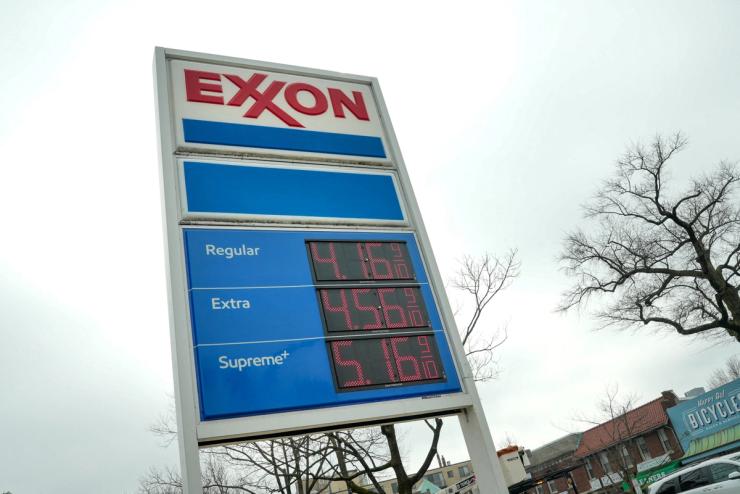
Energy prices logged their biggest gain since 2005, with gas prices leaping more than 21% and fuel oil up more than 30% from February. As expected, that bumped year-over-year inflation almost a full point to 3.3%.
Yet inflation excluding food and energy — a measure known as core Consumer Price Index, or core CPI — rose slightly less than forecasters had predicted, as used car and medical costs bumped down. That likely offers some comfort to investors who had feared higher oil and gas prices might push up prices across the economy.
But it won’t be enough to put interest rate cuts back on the table at the Federal Reserve any time soon. The signs of other higher expenses will also further complicate the Trump administration’s wartime messaging to voters, with shipping traffic through the Strait of Hormuz sparse despite this week’s ceasefire.
White House officials moved quickly on Friday to highlight the Bureau of Labor Statistics’ findings about cheaper specific goods, including groceries like eggs, butter, and beef, plus other purchases like sports tickets and TVs.
“President [Donald] Trump has always been clear about short-term disruptions as a result of Operation Epic Fury, disruptions that the Administration has been diligently working to mitigate,” spokesperson Kush Desai said in a statement on X.
“As the Administration ensures the free flow of energy through the Strait of Hormuz, the American economy remains on a solid trajectory.”

Know More
The president’s allies have previewed that argument all week: The worst is over, so the latest inflation data is just a blip.
“There have been very few assaults on things that can’t be fixed more or less right away, and … the Saudis have an enormous amount of excess capacity, which they can turn on to normalize markets right away as well,” National Economic Council Director Kevin Hassett told Fox Business Thursday. “And so our expectation is that you get those straits open, then things can return to normal very, very soon.”
But oil prices are still elevated while passage through the strait remains severely restricted. Emboldened Democrats are pointing to the slow shipping traffic to push back on the GOP’s claims.
“Regardless of what is agreed to on the Strait of Hormuz, I don’t think anyone feels like it’s gonna go back to what it was before,” Sen. Andy Kim, D-N.J., told reporters Thursday. “The risk involved … is just now going to be baked into higher prices for Americans for the foreseeable future, regardless of what happens with this war.”

Notable
- The EU is facing a “stagflationary shock” from the war, according to its economy commissioner.
Burgess Everett contributed to this report.