




Yinka’s view
The conflict in the Middle East is reshaping Africa’s economic outlook, pushing inflation higher and forcing a downward revision to growth forecasts by the World Bank, just as the region was finding its footing. The bank has cut its 2026 estimate for growth in sub-Saharan Africa by 0.3 percentage points, and warned that inflation will accelerate to 4.8% on a “combined energy and food shock for African countries.”
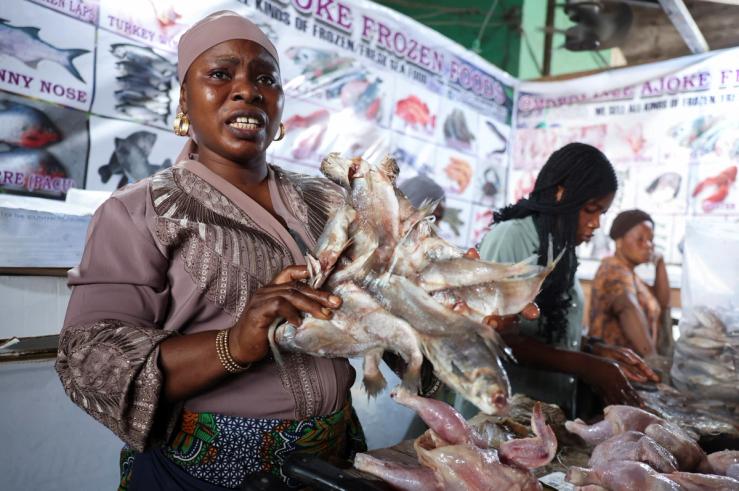
Growth is now projected at 4.1%, unchanged from 2025, and signaling an economic recovery that is losing steam. After years of overlapping shocks, from the COVID-19 pandemic to Ukraine war-driven commodity volatility, the region is once again exposed to forces beyond its control. The risk is not just slower growth, but stalled job creation and renewed pressure on living standards. Higher oil and gas prices, alongside rising fertilizer costs linked to disrupted shipping routes, are set to drive up food prices.
The shift comes at a delicate moment. Inflation had been easing across many African economies, helped by a weaker dollar and strong export revenues from metals, cocoa, and coffee. Now those gains are under threat, particularly in oil-importing countries where policymakers may be forced to tighten monetary policy even as growth softens.
Debt remains the binding constraint. Even where fiscal positions are improving, the cost of servicing debt is crowding out essential spending. In four out of five African countries, interest payments exceed public investment in health or education.
Africa’s outlook is not collapsing, but it is becoming more fragile. External shocks are returning, and the space to respond is narrowing fast.

Notable
- To protect itself from the impact of the war, Africa must focus on integration and continental self-sufficiency, even as the rest of the world fragments, a major regional study said.