




Tim’s view
As US President Donald Trump’s latest deadline for Iran to strike a deal approaches, the oil market is focused on other deadlines that will ripple around the globe in coming weeks — including the prospect of a sudden jolt to oil prices far worse than what we’ve seen so far.
Since the war started, the worst oil and gas market disruptions have been in Asia: Countries like Bangladesh and Indonesia are highly dependent on imports from the Gulf, are among the first stops for outbound tankers after passing the Strait of Hormuz, and had relatively little fuel in storage. Now that more of the tankers that loaded prior to the war are reaching their destinations, a similar impact will spread to Africa in the week ahead, Natasha Kaneva, head of global commodities strategy at JPMorgan wrote in a series of recent market notes. The impact there could be even more severe. The impact on Europe will follow.
There are two alternate scenarios to consider moving forward. The longer the strait remains more or less closed — not counting the handful of shadow fleet vessels and select others still braving the run — strategic storage reserves will become increasingly important. When Russia invaded Ukraine in Feb. 2022, one reason for the timing was that Europe’s oil and gas reserves were at historic lows; the Kremlin knew that by cutting off its fossil fuel exports in that context, energy prices wouldn’t just increase, they would spike in a nonlinear fashion. In this current crisis, we still haven’t hit that point yet. By Kaneva’s reckoning, nonlinear prices will hit the global oil market by late May if nothing changes before then. And most analysts agree that ameliorating measures short of opening the strait — like the US waivers on sanctioned Russian crude that expire this weekend — amount to tinkering at the edges, with limited tangible impact.
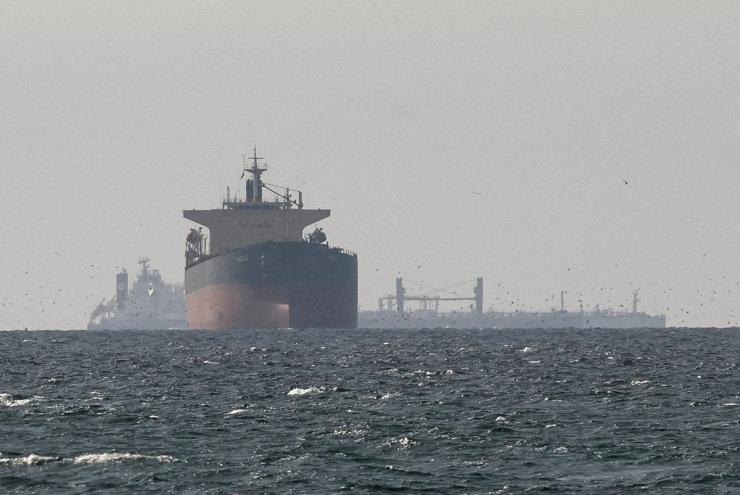
In the other scenario — which could happen soon, if Trump gets his way today — the strait opens up and things start to normalize. But there are a lot of steps to that. Ports, refineries, and other facilities have to repair and restart a lot of machinery. The owners, insurers, captains, and crews of tankers have to agree amongst themselves that they’re comfortable with the security situation, no matter what Trump tells them. Then there will be a lengthy process of clearing the long queue of empty tankers, which typically take up to 48 hours each to take on a cargo of oil.
All told, Kaneva estimates that “normal” won’t be in the cards until at least four months after a ceasefire is reached. Summer vacation season is already cooked, in other words — but there’s still a narrow window for things to even out before the midterm elections.

Notable
- Ryanair’s CEO warned that the UK was the “most vulnerable” market in Europe to jet fuel disruptions because of the country’s reliance on oil from Kuwait, adding that some flights may have to be canceled this summer during peak demand season.