




Tim’s view
Walking through a liquefied natural gas terminal is a good way to get a sense of how challenging it will be for the US to extract much benefit from energy supply disruption in the Middle East.
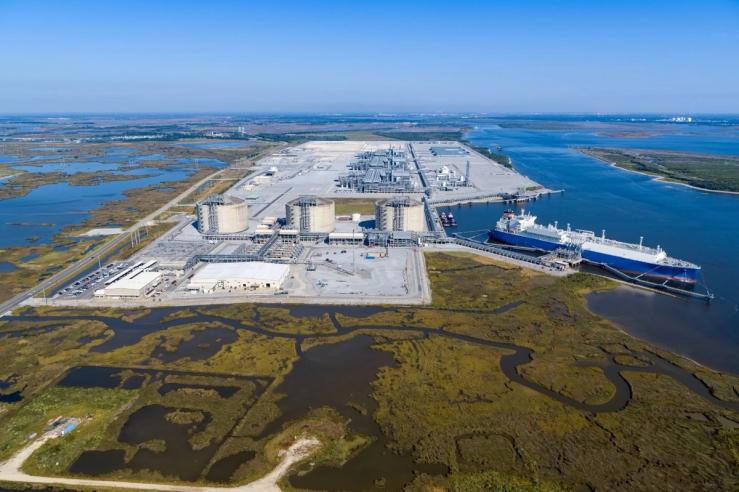
On Friday, as CERAWeek in Houston wound down, I joined a group of reporters on a visit to the Cameron LNG plant in Louisiana, a joint venture of TotalEnergies, Sempra, and a few other heavy industry companies. With annual exports of about 13.5 million tons, it’s actually relatively small by Gulf Coast standards. But it doesn’t feel that way. In this dense, sparkling web of pipes, tanks, and cooling towers spread over 500 acres, natural gas drawn from around the US is chilled to roughly the surface temperature of the dark side of the moon, liquefied, and pumped into tankers that carry it to the global market. On the day of our visit, the South Korean tanker SK Audace was loading cargo, hooked up to pipes so cold they were covered in a thick layer of frost despite the balmy bayou weather. As of Tuesday morning, the Audace was steaming past the Bahamas while Total’s gas trading desk fields bids from potential buyers in Europe and Asia.
Cameron was already cranking at maximum capacity before the war in Iran sent prices spiraling — especially attacks on the Ras Laffan terminal in Qatar, which knocked out 20% of the world’s LNG capacity. But while workers at the Cameron plant are now redoubling efforts to eke out a few thousand more tons with the existing system, there’s been no decision to expand the plant, my Total tour guides told me. One hour at Cameron is enough to understand the scale of design work and capital spending that would be required for that undertaking.
LNG might be selling at a premium these days, but so is much of the liquefaction and power-generating equipment an expansion would require. Construction firms are also overbooked, and labor in short supply. Those issues might be surmountable if energy company shareholders were confident about having a strong price signal for the foreseeable future. But they’re not, as Jack Fusco, CEO of rival exporter Cheniere Energy, observed during CERAWeek: “What you’re seeing with this type of volatility that seems to happen every four or five years, it’s just not good.”

Notable
- The joint venture between QatarEnergy and ExxonMobil has started LNG production from the first of its three trains at a facility in Texas, “marking a major milestone for US exports of the fuel as global supplies dwindle,” Bloomberg wrote.