


A promised cure for sickle cell disease could be revolutionary for populations in Africa, where around 80% of the globe’s cases are found.
While treatment options for the inherited blood disease have long been available, scientists now believe that a cure for sickle cell may lie in gene-editing, a process that requires the removal, DNA-editing, and return of stem cells from a patient’s blood. However, the approach is highly risky, requires intensive hospital care, and could risk cancer in the long term.
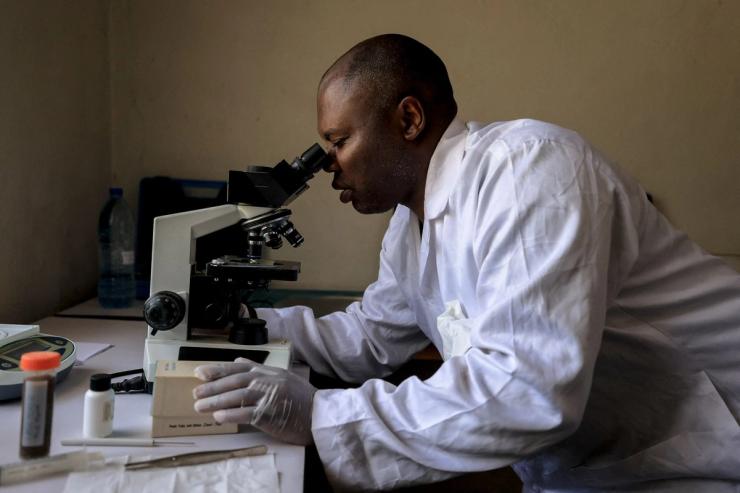
Some African researchers have been building the infrastructure to facilitate the rollout of gene-editing treatment. In Tanzania, scientists created one of the world’s largest coordinated platforms for sickle cell research, recruiting 40,000 patients across multiple countries.