


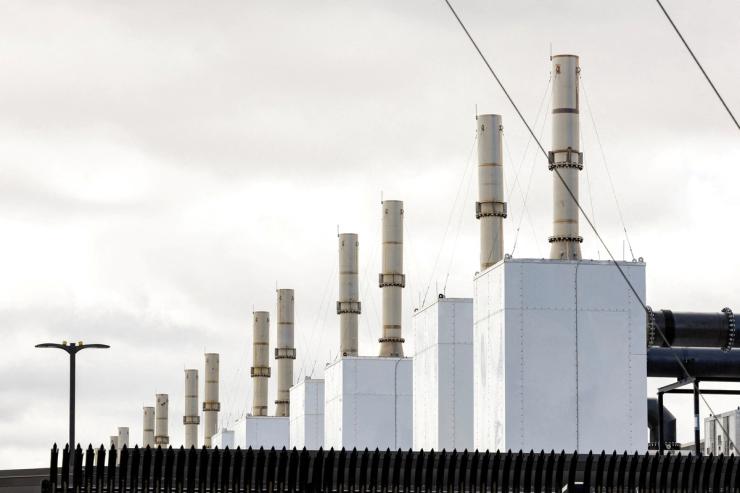
Electric utilities and tech companies are embracing a different solution to the data center power crunch: Ramping down their consumption at times of high demand.
When tech CEOs visited the White House to commit to steps to limit the impact of their data centers on retail power prices, they were mainly focused on generation, that is building their own new power plants so as not to take too much from the grid. But for myriad bureaucratic, supply chain, and technical reasons, that approach will always be insufficient, Arshad Mansoor, CEO of the industry-funded research group EPRI, told Semafor. Instead, large-load demand flexibility, in which data centers agree to periodically curb their consumption in exchange for cash or for express access to the grid, “will be the biggest thing to happen on the grid in the next five years,” Mansoor said.
This week, EPRI released a methodology utilities and hyperscalers can follow to make this happen, which drew support from the likes of Nvidia, Meta, Duke Energy, and Southern Company. “We’re not fully utilizing the existing system,” David Dardis, chief external affairs and growth officer for the power company Constellation, told the CERAWeek conference. “In the AI race with China, if we wait around for new baseload [generation] to come on the system, that’s going to take 10 years and it’ll be too late.”