



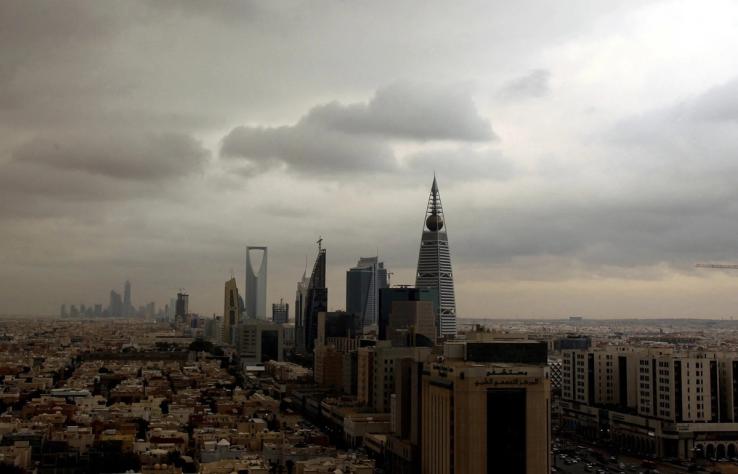

The Scene
Since Iran’s first attacks on the Gulf, the atmosphere in Riyadh has remained calm, with the bombing on neighboring countries feeling like a distant phenomenon. For many Saudis, this war has paled in comparison to the one which followed Iraq’s invasion of Kuwait in 1990. “We’ve lived through the Gulf War, this is nothing” has been a common refrain.
“Back then, we were worried about Saddam’s chemical weapons,” said Horeiah Alhumeid, a 70-year-old Palestinian woman who has lived in Riyadh for 50 years. She recalled taping windows shut, carrying hazard masks, and filling basements with food and supplies. Last week, she celebrated Ramadan and Eid with her family as normal.
In 1990, a 12-year-old Abbas Alshareef left Riyadh with his family for Jordan and stayed there for a year; today, he sees no reason to do the same. “It was not safe then, there was real danger; now I go to work, my daughter is in school. We are not leaving because we see no need to,” he said.
That sense of normalcy largely held until Wednesday evening, when emergency alerts began chiming on phones across Riyadh, warning residents of an aerial threat and instructing them to remain indoors and away from windows. Similar warnings had been issued in other Gulf cities over recent weeks, but this was the first time residents in Riyadh received them.
“I was with all my family, aunts, cousins, all of us sitting for tea after Iftar,” said Ebaa Shorbaji, a mother of two. “My daughter began to cry … We had plans to visit my elderly aunt to wish her a happy Eid, but we stayed inside. All we could do was watch the news.”
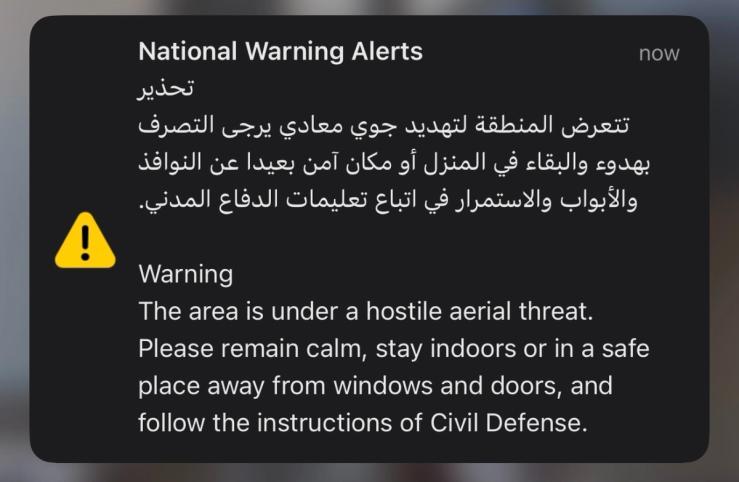 A screenshot of missile alerts sent to Riyadh residents’ phones on Wednesday.
Know More
During the US-led Operation Desert Storm in 1991, Riyadh was directly in the line of fire, with Iraqi Scud missiles striking the city and a buildup of US-led coalition forces turning the capital into a military hub, something that has no real parallel today.
That American military presence offered some comfort, with a common saying at the time being: “As long as there’s Bush, lay your mattress outside.” Today, rhetoric on US protection is non-existent. Instead, allegiance and belief in the abilities of Crown Prince Mohammed Bin Salman is underpinning sentiment.
In the days since the Iranian missile attacks, the city has settled back into its normal routine. Families celebrated Eid at the weekend, and malls were full. Shorbaji said her family went ahead with a planned trip to the recently opened Six Flags Qiddiya theme park.
However, the sense that Riyadh would remain largely insulated from the war has been dented. The way people talk about the war, even casually, has begun to shift, and there is less certainty that it will remain distant.

Notable
- For Gulf residents, the current conflict is reviving memories of past wars, and the repeated Iranian attacks are reshaping how societies think about security, trust, and Tehran, Sinem Cengiz writes in New Lines Magazine.
- Ramadan in Saudi Arabia has shifted from TV dramas to real-time war updates, as businesses and residents navigate uncertainty, Alex Malouf writes for AGBI.