


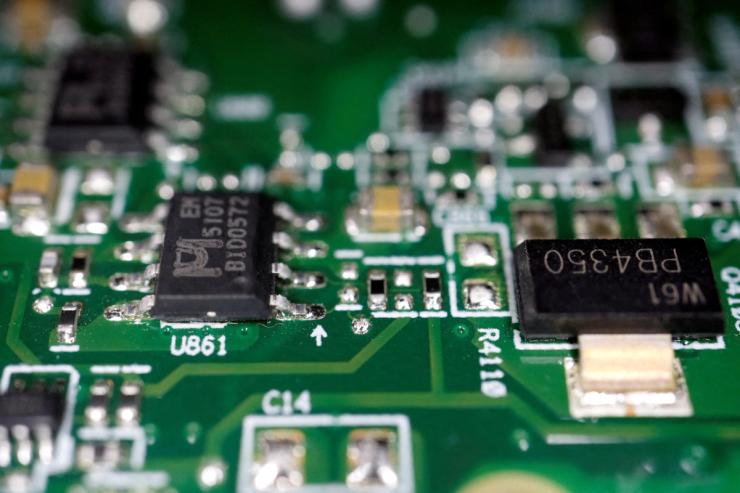
The war in Iran could soon disrupt the AI supply chain, upending the prospects for East Asian firms that drive chip manufacturing but which rely on the Middle East for energy imports.
Two major South Korean companies dominate memory chip production, while Taiwan’s TSMC makes 90% of advanced semiconductors; both places depend heavily on fossil fuel imports through the Strait of Hormuz. Much of the critical materials needed for chip manufacturing, including helium, sulphur, and bromine, likewise transit the strait.
Abundant US natural gas could help cushion the fossil fuel shock for Americans, but a chunk of it will be needed to help Europe and Asia offset lost LNG imports, ultimately driving up domestic energy prices, which already account for half of data center operating costs. For at least a little while, South Korea and Taiwan can rely on their stockpiles, but “the longer the Strait of Hormuz remains closed, the deeper the fallout will be, the Financial Times wrote.