




The Scoop
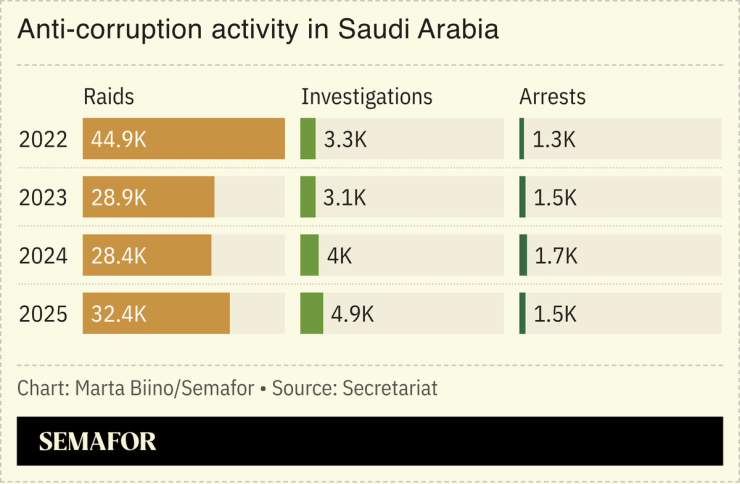
Corruption investigations in Saudi Arabia rose last year to the highest level on record as the government embarked on a review of excessive spending and started scrapping some of its most ambitious projects.
The number of unannounced raids also rose to the highest level since 2022, according to data compiled by corporate intelligence firm Secretariat and shared first with Semafor.
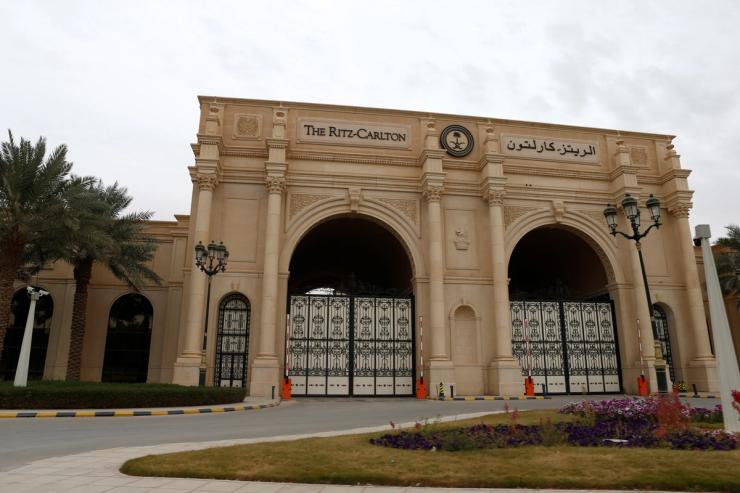
Crown Prince Mohammed bin Salman in 2017 launched a high-profile effort to stamp out graft, kickstarted by the detention of hundreds of princes, ministers, and business moguls at the Ritz-Carlton hotel. That was considered by many to be a powergrab by MBS, as the then-deputy crown prince is widely known. At the time, he was on the rise but his brash style and willingness to embrace significant changes to decades of government policy was creating opposition among some members of the religious and business elite, as well as within the Al Saud royal family which has ruled the country since 1932.
Yet in the years since, Nazaha — as the Saudi anti-corruption watchdog is known — has grown in power and continued to pursue those misappropriating state funds, making it clear that the kingdom is carrying out a sustained push to fight graft at all levels.
The 2017 arrests were “part of an effort by MBS to assert control over the country and its centers of power and influence,” said Michael Ratney, former US ambassador to Saudi Arabia. Continuing to arrest significant numbers of people “suggests the Saudi government is putting citizens on notice about the seriousness with which it is going after corruption,” he added.
In this article:

Matthew’s view
In the first few days of every month, all the phones in Saudi Arabia buzz in unison with updates on corruption arrests over the past four weeks. The monthly SMS messages from Nazaha are a rare countrywide broadcast and detail how many people have been arrested, and what entities are being investigated. It’s a frequent reminder of the government’s efforts to tackle a persistent problem.
While it would be naive to say the 2017 Ritz-Carlton detentions were entirely about corruption, it would be equally naive to think that the bureaucrats being rounded up today serve any political threat. What started as a way to neuter other potential centers of power and tackle a corrupt elite, is now trying to root out a genuine problem.
The challenge in an economy with huge state controlled resources at its disposal, limited managerial oversight (most ministers sit on dozens of boards), and pressing timelines, is that the potential for money to be poorly spent or contract values to be inflated is high.
Not all of this will be corruption, though some of it will be. Telling the difference won’t always be obvious.

Know More
In total, more than 32,000 raids and 4,800 investigations were conducted by Nazaha last year, according to Secretariat. The number of arrests dropped to 1,504 last year, but analysts expect that to rise as a result of the higher number of investigations and raids over the previous 12 months.
“Saudi’s anti-corruption push is increasingly credible because it is becoming more institutional,” said Ralph Stobwasser, managing director at Secretariat. Nazaha widened institutions it was scrutinizing in 2025 and “I’d expect that high tempo to continue into 2026,” he said.
There are also some signs that the government has been turning its attention to investigating state-controlled entities working on efforts to diversify the economy. Two senior individuals at Diriyah — a more than $50 billion project owned by the Public Investment Fund and being developed on the site of the ancestral home of the Al Saud family — were detained last year and placed under investigation, Semafor first reported. And in 2024, the chief executive of the Royal Commission for AlUla, a heritage district being transformed into a tourism and wellness destination, was arrested and accused of abuse of authority and money laundering.
Those arrests came as the government embarked on a review of spending and the feasibility of some of its large infrastructure projects linked to MBS’ economic diversification plans. Saudi officials had come to realize that government spending commitments were getting too large and were fretting about how projects were being managed.
The large numbers of people that Nazaha has arrested indicates the scale of the country’s corruption problem. “The whole system was totally corrupt and the culture had to change,” said Bernard Haykel, professor of Near Eastern Studies at Princeton. “Its just not that easy to do.”
Another unexpected outcome of trying to tackle graft is that it has made some officials fearful of approving any significant contracts for fear they will later be investigated, said Haykel. “There’s a feeling in Saudi Arabia now of people not wanting to take any responsibility and that’s created this paralysis in some institutions,” he said.
The kingdom said that the 2017 anti-corruption drive netted around $107 billion in settlements from those detained. Current investigations are unlikely to have recovered anywhere near that amount.
The prior process led to billionaire Prince Alwaleed bin Talal, former Finance Minister Ibrahim Alassaf, and head of the Saudi Binladin construction company Bakr Bin Laden, all being held for several months. There were no public trials or charges made against those accused by the government, most of whom reached private settlements.
That lack of transparency has continued to be a theme of the kingdom’s anti-corruption drive. The authorities have only rarely revealed details of those being held or the accusations against them, and not provided further information about settlements reached or the terms attached to them.

Notable
- The Ritz-Carlton corruption roundup likely netted the Saudi government more than $100 billion, and those willing to cut a deal and express remorse were let go without prosecution, Bloomberg reported at the time.