



Mohammed’s view
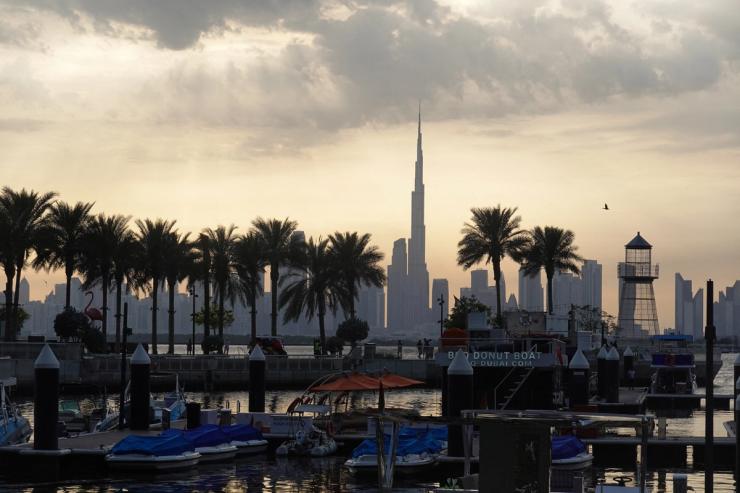
When we launched Semafor Gulf in 2024, we were excited to pursue one of the biggest economic and geopolitical stories in the world. People in Abu Dhabi, Dubai, and Doha had the sense they were witnessing an emerging golden age. The Gulf’s economic and cultural transformation, megaprojects, and embrace of tech conjured a vision of a future defined by development, not conflict.
That thesis is now being tested. But it hasn’t dented Semafor’s ambitions to build the leading independent news business in the Gulf.
For more than two weeks, Iran has bombarded Gulf countries with missiles and drones. The attacks have rattled citizens and residents, but they have also made clear that governments were prepared for this moment. Air defense systems have intercepted the vast majority of incoming threats, protecting airports, energy facilities, and homes. Government services continue to function. Restaurants are open. Hospitals are operating. There is no normal life during war — but life continues.
Precaution, at this moment, is understandably trumping danger. Some banks and consulting firms have shifted staff to remote work after Iran threatened economic targets. Debris from intercepted drones knocked out power lines in Kuwait, briefly cutting electricity.
Like many Gulf residents, some of us had to leave. Some Semafor staff, including me, have temporarily relocated with our families after schools closed and our respective governments urged citizens to evacuate. Others have stayed in the region.
When we originally launched, we planned to publish twice a week. We are at four days now and will go to five soon. We are hiring, not just to break more news and elevate our coverage, but also to bring to the region the gatherings of decision-makers that Semafor has become known for in the US.
Semafor Gulf reaches nearly 40,000 readers, and we know who you are: Business and public sector leaders, experts on the region, and readers who are part of one of this era’s most consequential stories. We thank you for reading and aim to bring you intelligent briefings that you can trust.
We’re also building a community of columnists, including Gulf citizens, expats, and even Israeli tech leaders interested in deepening ties with the region. Our newest contributor, Mishaal Al Gergawi, writes today that what the UAE has built is attractive to billions of people around the world: “The UAE exists because the demand for competent and civilized countries far exceeds the supply.” The current conflict will pass, but that demand will persist.
Wars can distort our view of the moment, making a crisis feel permanent. The challenges facing the Gulf today are immense. But its broader arc shows that its leaders have prioritized development and integration with the world. This is a region of builders and dreamers, and when this war ends, that ethos will remain. And Semafor will be there to chronicle the journey.

Notable
- Semafor raised $30 million at a $330 million valuation in January, and plans to “hire journalists in key markets such as the Arabian Gulf,” Reuters reported.