




The Scoop
The blast radius from the Justice Department’s much-criticized settlement with Live Nation continues to widen, spurring a call to strengthen federal oversight of antitrust reviews.
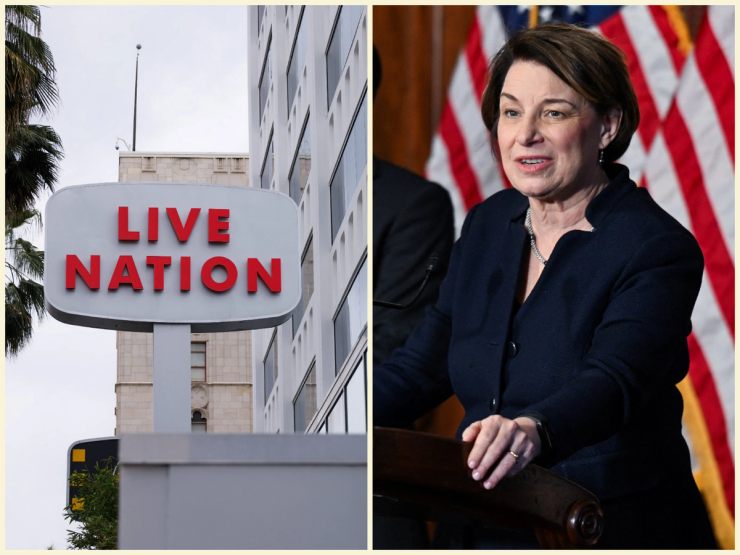
Sen. Amy Klobuchar, D-Minn., plans to introduce legislation on Tuesday that would broaden the judiciary’s abilities to approve — or reject — antitrust settlements, and give state attorneys general a say into federal settlement approvals. Rep. Jamie Raskin, D-Md., is pursuing companion legislation in the House.
Live Nation managed to squash calls for a full divestiture of Ticketmaster, including from within the US government’s own antitrust division, instead settling with the DOJ days before trial. The result was a promise to get rid of a handful of concert venues and pay $280 million in fines.
With Live Nation, “the American people got the raw end of the deal,” Klobuchar said. She said her legislation would ensure “courts have the tools to independently review settlements and approve only those that benefit the American people.”

Know More
It’s unlikely that the Democrat-only bill will gain any traction in a Republican-controlled Congress that seems overtorqued to inaction, especially given Iran, immigration, and many other competing priorities. Still, Klobuchar, who is running to become Minnesota’s next governor, has been fighting for stronger antitrust provisions for a long time and may have found a bipartisan hook in Live Nation.
The bill calls for bolstering government disclosure requirements, including how the proposed settlement remedies antitrust issues, previous settlement offers, side deals, and all communications related to the settlement.
It also would apply review to the Federal Trade Commission, strengthen court review, and allow state attorneys general to intervene in Tunney Act hearings.
The Tunney Act is a little-known piece of legislation introduced in the wake of the Watergate scandal. It prevents the DOJ from unilaterally imposing a settlement without approval from a judge. (It bears noting that approvals are almost guaranteed: a judge has only ever rejected one DOJ settlement under the act.)
But Live Nation’s deal may test that. The DOJ’s own attorneys, who had spent years preparing for the trial, were unaware of the deal until just before appearing before Judge Arun Subramanian. Live Nation’s outside lobbyists were working directly with DOJ leadership to strike a deal, as Semafor scooped, sidestepping the antitrust unit and its former chief, Gail Slater. (Slater was ousted shortly after that report, with Live Nation lobbyist Mike Davis publicly taking credit for her firing.)
Dozens of attorneys general have also refused to accept the DOJ-brokered deal and plan to continue to fight it in federal court.