




Tim’s view
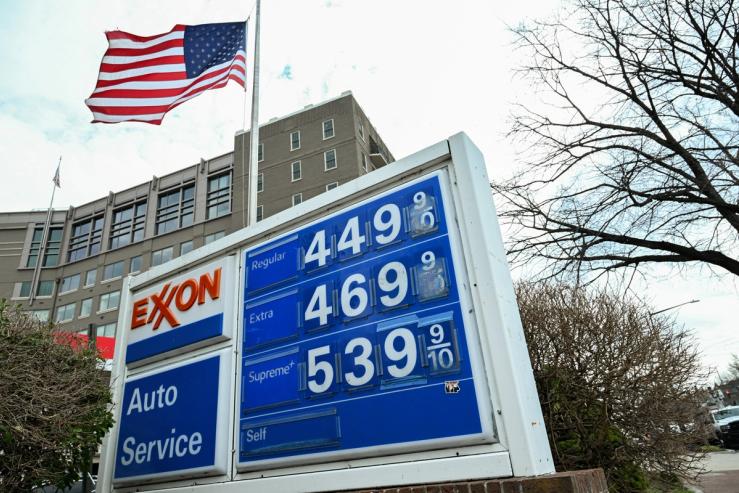
Energy-related inflation is the inescapable deciding factor for global politics this year. Gas prices — emblazoned in big numbers on signboards across every city — are the most tangible and emotional touchpoint of the global economy for US voters, and infamously decisive in national elections. The national average price of gasoline passed $3.50 per gallon this week, the highest level since 2024, following the disruption to global oil trade caused by the US and Israeli bombing campaign against Iran.
That is an issue for President Donald Trump, who has crowed countless times on the stump about how much higher prices were under his predecessor. Republicans are beginning to worry that gas prices will become an albatross in the midterm elections this fall, and key Trump opponents like Gov. Gavin Newsom of California have been quick to weaponize the price spike.
Given the unprecedented volume of oil and gas that has been disrupted, measures like releasing oil from strategic reserves and providing military escort for tankers amount to tinkering around the edges: Prices will continue to rise until normal traffic resumes through the Strait of Hormuz, and even beyond then as Gulf producers take time to repair damaged infrastructure and bring shut-in drilling rigs back online. Those higher oil prices will ripple across the economy to push up the cost of electricity and grocery bills, computer chip manufacturing, construction, and just about every other sector, and will likely sap any enthusiasm by the Federal Reserve in continuing to lower interest rates further.
“The administration’s foreign policy actions have collided directly with the affordability message Republicans are trying to cement ahead of the election,” Heidi Crebo-Rediker, senior fellow at the Council on Foreign Relations and former Obama administration economist, told me.
And it’s not just in the US: Hungarian Prime Minister Viktor Orbán, up for reelection next month, has used the crisis to amplify his argument that breaking away from Russian energy was a strategic blunder by Europe. “European governments have less space to deal with increases in prices right now, because they are managing a lot of other competing interests” in their budgets, Crebo-Rediker said. Mortgage rates in the UK are already rising. Brazil, Nigeria, France, and other countries that already struggled with inflation also have federal elections upcoming in the next year or two, making Trump’s decision to bomb Tehran a political liability for many other world leaders.
The coming days will tell whether, as US Energy Secretary Chris Wright predicted, there’s now enough oil from non-Gulf sources that prices will “blip up and then [go] back down.” In the meantime, voters will pay the price.

Notable
- The EU is considering capping gas prices to curb energy prices, European Commission President Ursula von der Leyen said on Wednesday.