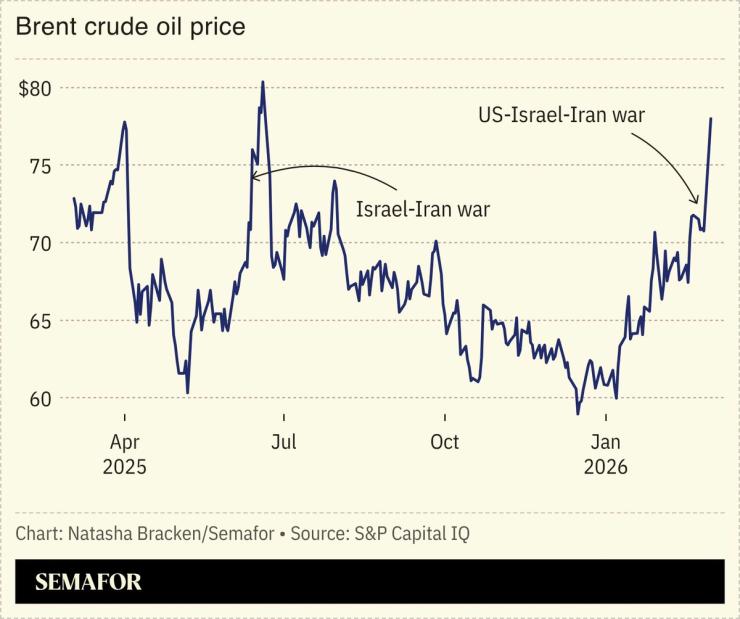
Oil prices jumped after the impact of the conflict between the US, Israel, and Iran expanded beyond Gulf states, offering short-term fiscal relief for African crude producers while raising fresh inflation risks for the continent’s fuel importers.
JPMorgan said a prolonged conflict could push crude above $100 a barrel, helping bolster revenues at a time of strained public finances and heavy debt loads in producers such as Angola, Equatorial Guinea, and Nigeria.
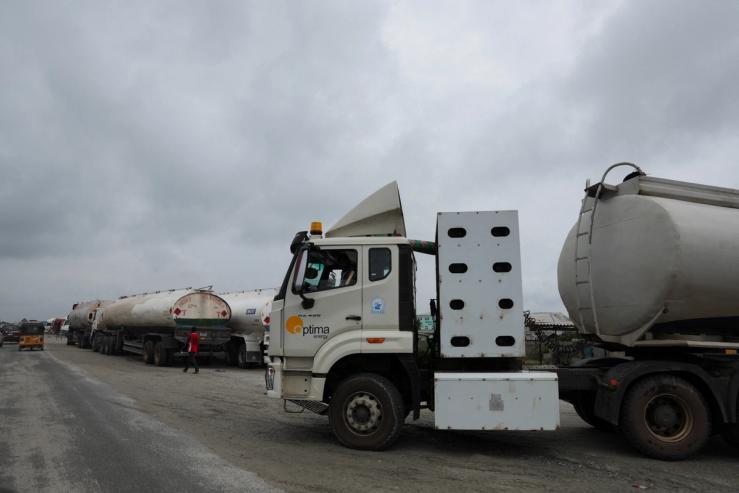
But Clementine Wallop, an analyst at consultancy Horizon Engage, warned that surging prices were not uniformly positive: “Higher crude prices mean higher fuel prices, and several of these countries have worked or are working hard to stop subsidy programs.” Nigeria and Angola have scrapped costly fuel subsidies, exposing consumers to global swings. In countries with limited refining capacity, tighter supplies of imported fuel could quickly lift pump prices and transport costs.
The turmoil also clouds deepening Gulf-Africa ties, as Gulf states become critical investors across the continent. The African Union warned that further escalation could carry “serious implications for energy markets, food security, and economic resilience — particularly in Africa.”