




Mohammed’s view
The ending of the June war between Iran and the US, with Tehran’s retaliatory strikes on a US base in Qatar, felt choreographed. As we enter Day Two of the Israel-US-Iran war — following confirmation of the killing of Iran’s Supreme Leader Ali Khamenei and other top regime figures — the scenarios are anything but predictable.
The cities here feel like ghost towns. Iran has lobbed nearly as many missiles at the UAE as it has at Israel. Defense systems intercepted most, but debris and drones still caused damage, including at major airports in Abu Dhabi, Dubai, and Kuwait. At least three people died in the UAE.
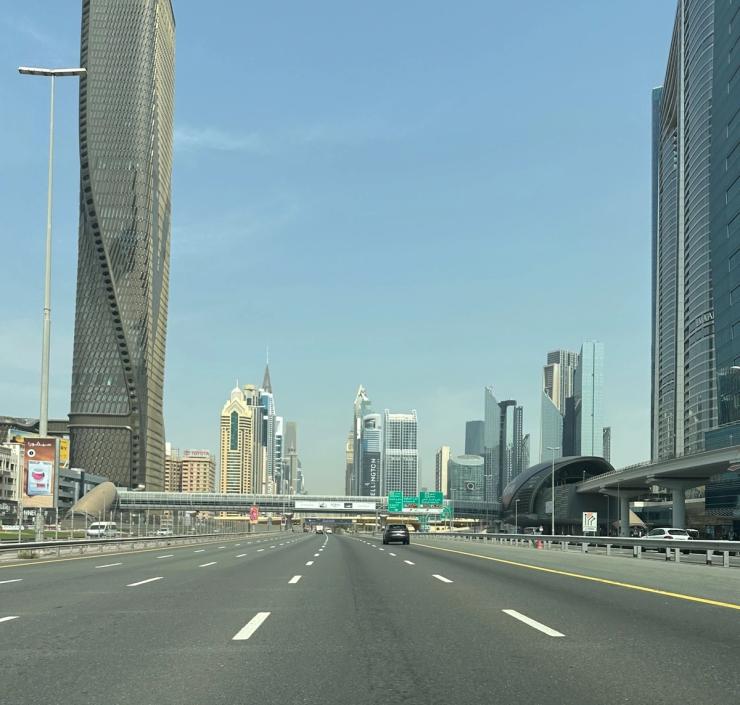
On Sunday, parts of Dubai were eerily quiet, reminiscent of early COVID-19 lockdowns. Schools and companies are going remote. Some residents spent the night in parking garages and hallways after receiving late-night messages urging them to seek shelter — though there are few in a region that has not faced widespread air strikes since Iraq’s 1990 invasion of Kuwait. Expats are looking for exits, driving to Oman or Saudi Arabia, where airports remain open.
Governments have been unusually transparent, identifying impacted areas and dispatching senior officials for interviews. Part of the aim is to curb disinformation, even as authorities crack down on speech: Bahrain arrested people accused of expressing support for Iran’s attacks.
While ties between the Gulf and Iran were never warm, the scale of Tehran’s strikes is likely to sever what little trust had been built. Anwar Gargash, diplomatic adviser to UAE President Sheikh Mohamed bin Zayed, said Iran’s assault “isolates Tehran” and reinforces the view that its missile program remains a persistent threat to the region. Former Qatari Foreign Minister Hamad bin Jassim Al Thani warned the attacks will push Gulf states to lean more on outside powers for security.
There is no downplaying what’s happening here. But across the water, something potentially larger is unfolding. Israeli and US strikes targeting senior commanders and security institutions can’t produce regime change on their own, but they have shaken the Islamic Republic. What follows could be a generational transition that reshapes the region for the better. Or it can be the start of an unpredictable conflict that defines it for years.

Notable
- Iran’s strikes sent Gulf stock markets plummeting, while analysts forecasted oil prices would spike amid regional instability, Semafor’s Matthew Martin reported.