




Tim’s view
US President Donald Trump’s decision to carry out strikes on Iran is his riskiest intervention yet into global oil markets, one that could eventually require the help of Gulf countries to prevent a runup in energy prices ahead of this year’s midterm elections.
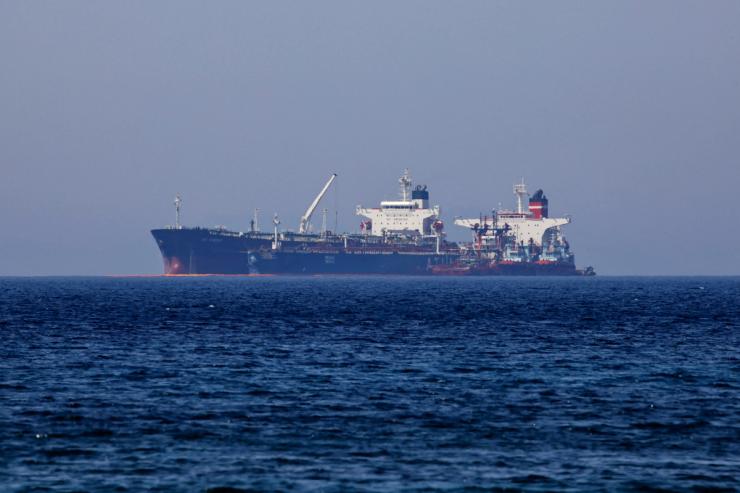
So far there is no indication that oil production or shipping infrastructure were targeted in Saturday’s attacks, either by the US and Israel against Iran, or as a result of Iran’s retaliatory strikes. For both sides of the conflict, oil is both a potent weapon and a vulnerability. Up to now during Trump’s second term, the oil market has proven remarkably resilient to geopolitical meddling, thanks in large part to record US production. But the risks in Iran are much higher than Venezuela or even Russia. Iran itself produces around 5% of global oil supplies, nearly all of which is sold to refineries in China. But it also controls the Strait of Hormuz, through which nearly 20% of the world’s oil trade passes. As Clayton Seigle of the Center for Strategic and International Studies outlined last week, there are several ways in which oil could be drawn into this conflict, including a blockade of or attacks on Iranian oil facilities at Kharg Island, or conversely a blockade of the Strait, or attacks on neighboring Arab oil facilities by Iran.
Either scenario would deal a devastating blow to Iran’s finances. But because there are few viable alternatives for the full volume of oil which passes through the Strait to go by other routes, and because China would need to compete more intensely against other importers, such disruptions would also cause a major spike in global prices. Barclays forecast on Friday that a war in Iran could push the Brent international benchmark oil price from its current level of about $72.50 to above $80 per barrel.
If significant supply disruptions do occur in the coming days, the key question will be what OPEC is prepared to do about it. The group is scheduled to meet on Sunday, and Reuters reported that it is already considering a larger-than-planned production hike in response to the strikes. In theory, OPEC’s spare production capacity, which is mostly in Saudi Arabia, is roughly equal to Iran’s output. And in anticipation of a closure of the Strait, Saudi Arabia has been moving large volumes of oil into storage facilities around the Red Sea and as far afield as Japan and South Africa, said Jim Krane, an energy economist at Rice University. The kingdom “can probably keep oil flowing to its customers for at least a few weeks” no matter what. “The name of the game is to move as much oil away from the Strait of Hormuz as possible right now.”
Still, especially given sanctions constraints on Russia, the ability of OPEC+ “to meaningfully fill the gap remains far from assured,” Claudio Galimberti, chief economist at the research firm Rystad Energy told me. If Trump’s goal of regime change succeeds, there could also be more interest from US oil companies in returning to Iran than there has been in returning to Venezuela:The industry’s top lobbyist said last month that Big Oil is prepared to act as a “stabilizing force” in Iran.

Notable
- War in Iran has increased the significance of the Druzhba oil pipeline from Russia, Hungary’s Prime Minister Viktor Orbán said. Budapest and Kyiv are increasingly in conflict about the fate of the pipeline.