




Alexis’s view
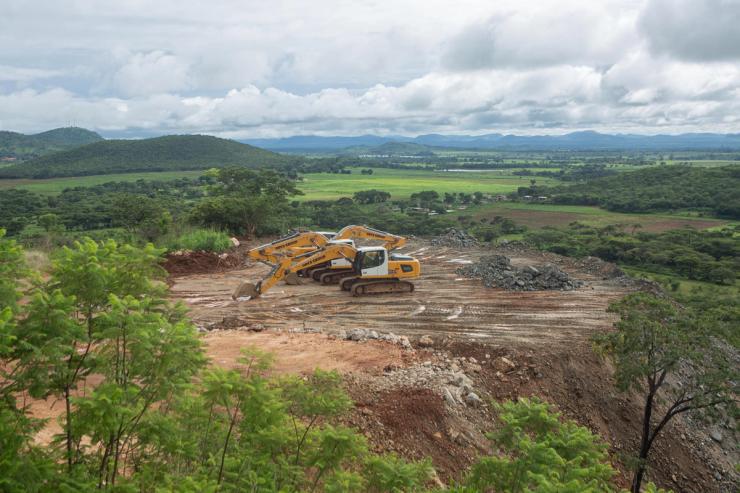
The market reaction to Zimbabwe’s suspension of lithium exports illustrates the central role African nations play in the global supply chains that underpin modern technology. The move, reminiscent of DR Congo’s restrictions on cobalt exports last year, caused Chinese lithium futures to rise more than 9% on Thursday.
Zimbabwe and DR Congo, like many countries across the continent, want to capture the value of processing raw materials in order to create products and jobs to spark economic growth: At least 13 African countries have imposed similar export restrictions on various metals and minerals since 2023.
A key question concerns the steps policymakers will take to make good on these vows. Progress on setting up processing plants remains slow in many countries. The highly technical and capital-intensive requirements, as well energy challenges, have hindered attempts to boost domestic upskilling.
For countries to realize the “true potential” of their resources, the Africa Center for Strategic Studies, a Washington-based think tank, recommends strict mandates for skills transfer in mining deals, investment in infrastructure and human capital, and leveraging regional cooperation. Of those proposals, the notion of countries working together more closely has the greatest potential. It’s a pragmatic approach: Many nations that are rich in resources lack the capital needed to build vital infrastructure, yet they sit within regional blocs through which they could agree to share responsibility for different stages of processing.
For this to work, we should look to the regional blocs — like West Africa’s Ecowas and the Southern African Development Community — to take the lead, since mineral deposits often cut across borders, and it’s easier to make agreements among a small number of nations than across the continent. The slow progress of the African Continental Free Trade Agreement and the bureaucracy of the African Union shows how ineffective an unwieldy pan-African vision can be.
Zimbabwe said the ban was “taken in the national interest,” a phrase used by countries that impose export restrictions. A smart move would be to work with neighbors to achieve those interests.

Notable
- African countries can strengthen their negotiating position on climate finance by adding value to their critical mineral endowment, argues Uche Igwe in a LSE blog post.