




Tim’s view
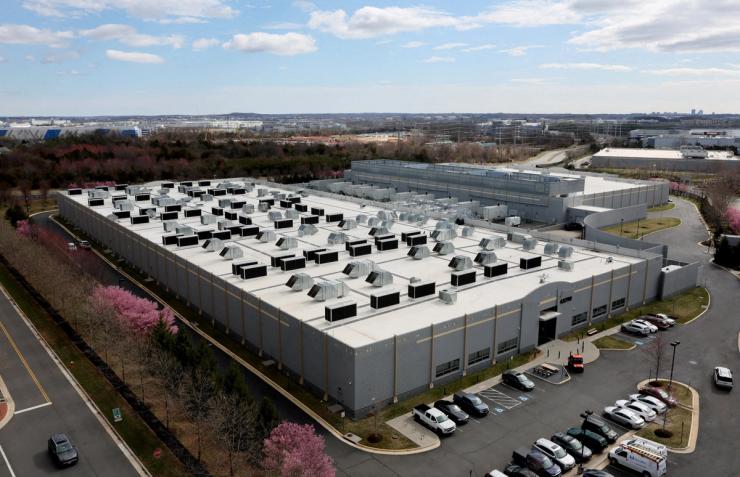
US President Donald Trump’s new plan to hold down rising power prices associated with data centers could waste a massive investment opportunity. Tech companies “have the obligation to provide for their own power needs,” he said during his State of the Union address on Tuesday. “I’m telling them they can build their own plant. They’re going to produce their own electricity.”
That was the extent of the detail Trump offered on what White House officials had characterized before the speech as a raft of “ratepayer protection pledges.” But it’s enough to know that the burden will be on the data center developers — rather than utilities or other grid stakeholders — and that the administration essentially envisions a bespoke new power system built in parallel to the existing one.
One limitation of this approach is that it doesn’t deal with other factors driving up power prices outside of new data center development: permitting bureaucracy, the inherent volatility of fossil fuel prices, and the Trump administration’s own moves to restrict the development of renewables. Another is that, because many data center power projects underway will rely on natural gas, the new “shadow grid,” as some observers have started to call it, could become a major source of unregulated greenhouse gas emissions.
But the biggest problem is that this is a missed opportunity, Ari Matusiak, CEO of the advocacy group Rewiring America, told me after the speech. The amount of money tech companies envision investing in power projects in the near future probably represents the single greatest infusion of cash into the US grid in decades, he said, and should be “harnessed that in a way that actually creates the biggest shared benefit for everybody.”
Why not, he said, engage tech companies in a more holistic strategy that includes investments in transmission networks and even upgrades to nearby households like batteries and AI-driven smart appliances, which have the dual benefit of freeing up more flexible electrons for data centers and directly lowering their neighbors’ bills?
As I pointed out recently with Exelon’s new power affordability plan, the devil is in the details, and a two-hour Trump speech is never a great place to look for those. But trying to somehow isolate Big Tech from the power system isn’t the way to go.

Notable
- In an effort to support their energy needs quickly, Big Tech companies are adopting a “grab yourself a couple of turbines” approach and building their own power plants rather than waiting for the American power grid to catch up, WSJ reported.