


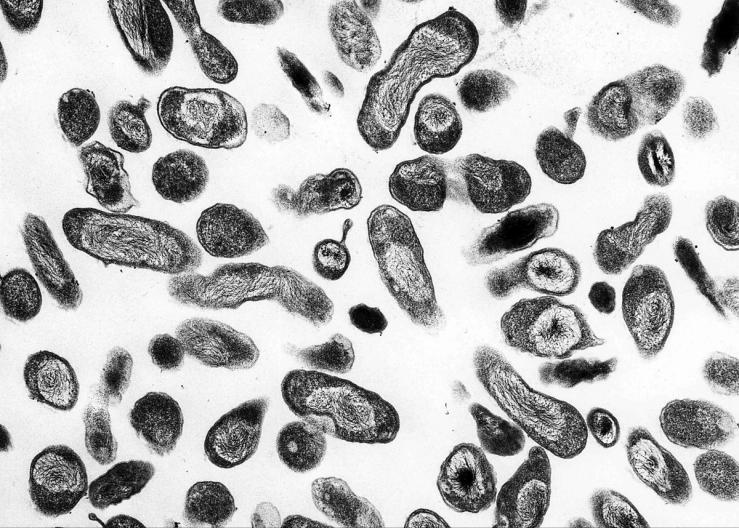
A mystery about how the first complex life arose may have been solved. Multicellular creatures — all animals, fungi, and plants — are hybrids. Some time around 2 billion years ago, some ancient bacteria entered into other single-celled organisms called Asgard archaea, becoming what are now mitochondria, which generate energy in our cells. But the bacteria tended to live in oxygen-rich environments, while the Asgards, believed to be our ancestors, needed oxygen-poor ones, and it was unclear how the two met.
New research suggests scientists had identified the wrong Asgards: The closest relatives of our ancient ancestors are an oxygen-tolerant strain, implying that both of the later symbiotic partners would have been hanging out in oxygenated areas, such as shallow coastal waters.