




The News
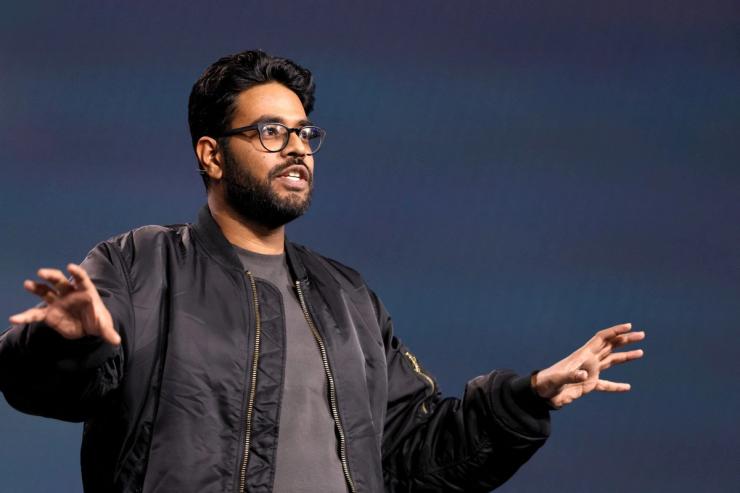
Winning approval to buy “monstrous” numbers of the latest US artificial intelligence chips has made Saudi Arabia an attractive place to shift compute requirements, video AI startup Luma AI’s chief executive told Semafor, an early validation that there will be users as the kingdom pours billions into becoming a global data-center hub.
The approvals mean “the biggest uncertainty that was there is gone,” Amit Jain said in an interview. “The pipes are clear” for the kingdom’s access to AI chips, he added.
HUMAIN, the Saudi sovereign wealth fund-backed AI company, received Washington’s approval to buy 35,000 cutting-edge Nvidia Blackwell chips. The announcement was during the crown prince’s visit to US President Donald Trump, where HUMAIN also said it led a $900 million round for Luma AI, valuing the startup at more than $4 billion. The chips are just a start — HUMAIN expects it will need 400,000 over the next four years.
Saudi Arabia aims to become the third largest AI hub in the world, behind the US and China.

Know More
Luma AI has developed a model that can produce video and images, and is marketing it as a tool for creative industries including advertising and filmmaking. It will begin using Saudi compute capacity within weeks as it looks to use the kingdom as a global center for AI inference, Jain said.
The California-based company also opened a regional headquarters in Saudi Arabia and is in talks with Public Investment Fund — which launched HUMAIN last year — and its portfolio companies about getting them to use Luma AI’s technology.
Its deal with HUMAIN bolstered confidence in the kingdom’s strategy to use its abundant land and cheap energy to offer itself as a hub for AI companies looking for somewhere to handle large volumes of data processing. The two companies have already agreed to cooperate on HUMAIN Create, which aims to use AI to quickly produce advertising, video games, and film.
HUMAIN and Luma AI will also cooperate on creating an Arabic model and jointly signed a deal with Publicis Groupe for AI advertising and production across the Middle East and North Africa.
As to the question of whether people want to watch AI videos, Jain said it will be settled by consumers. “It doesn’t matter how you made it,” he said. “If it’s interesting, people are gonna watch it.”