


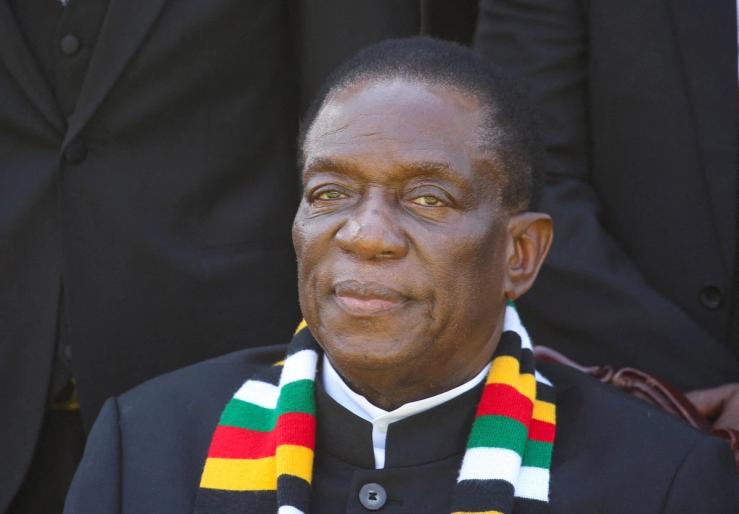
Zimbabwe is moving to scrap direct presidential elections and extend term limits from five to seven years.
The changes could keep President Emmerson Mnangagwa, 83, in office until 2030, two years beyond the end of his current — and constitutionally final — term. The draft legislation would hand the choice of head of state to parliament.
Given the ruling Zanu PF’s dominant majority, such moves would likely sharply reduce electoral competitiveness and consolidate the party’s control over presidential succession.
The bill would allow MPs and senators to elect the president after general elections, or whenever a vacancy arises. Ministers have framed the changes as promoting stability and curbing “election mode toxicity,” but critics have called it a democratic setback.