


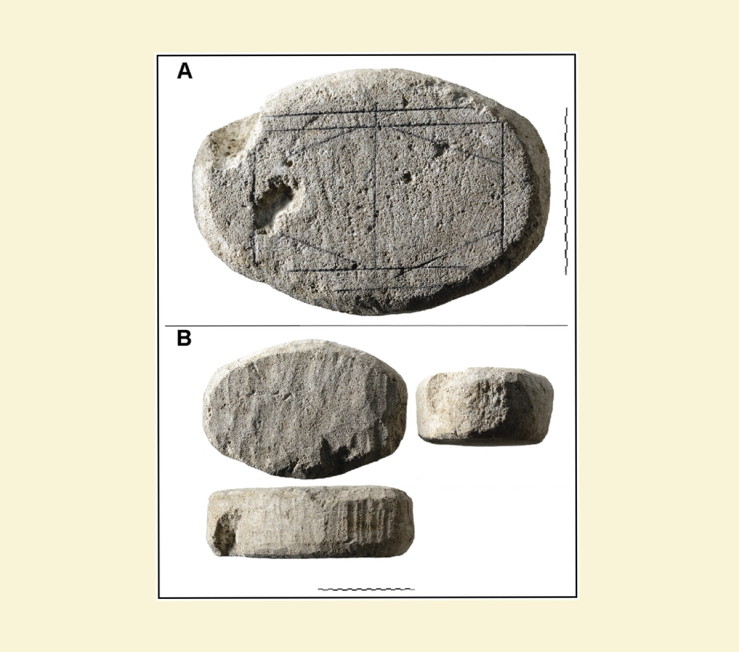
The rules of an ancient Roman board game may have been decoded by AI. The stone tablet with an etched hexagonal playing area was discovered in the Netherlands around a century ago. Researchers used AI agents to play thousands of games using 100 different ancient and modern rulesets, and compared results to the levels of wear on the board. It was likely a “blocking” game, with players trying to prevent each other’s moves — imagine tic-tac-toe but more sophisticated — and is the earliest known example of such a game, Scientific American reported. It’s not AI’s first archaeological outing: It was used to decipher papyrus scrolls burned in the eruption of Vesuvius, and discover hitherto unknown structures in Peru’s Nazca lines.
- D.C.
- BXL
- Lagos
- Riyadh
- Beijing
- SG
Intelligence for the New World Economy
- D.C.
- BXL
- Lagos

- Riyadh
- Beijing
- SG

AD