




The News
In 2013, Jeffrey Epstein couldn’t erase his conviction as a sex offender. But he could make it harder to find on Google, using various search engine optimization tactics, along with his personal connections within the news media.
So Epstein, newly released emails show, hired a small team that set its sights on cleaning up his image with a number of digital publications, including Business Insider.
The site had recently published an online story featuring Epstein’s sordid-looking mugshot, which the financier was keen on removing. The team discussed appealing to BI founder Henry Blodget by implying a shared connection over pressure from federal authorities. (Blodget was accused of promoting companies in public while disparaging them privately, and was prohibited from working in the financial services industry in a 2003 settlement with the SEC.)
Instead, in an email to Blodget, a representative for Epstein’s philanthropic foundation said the foundation was hoping to remove the mugshot because doing so would help its research efforts. “Removing old negative press is extremely difficult and undermines the foundation’s work which funds critical science and medical research,” they said, noting that they were based out of Harvard University. “We would be so grateful if Business Insider could remove or swap the mug shot image from their website.”
The Business Insider founder flagged the email for then-managing editor Jessica Liebman, who told Epstein’s team that she was removing the mugshot and swapping it out for another image. When Epstein’s team was unsatisfied that the image was still popping up when people searched his name on Google, Liebman, now Business Insider’s chief people officer, said she had a conversation with BI’s tech team to ensure it was removed.
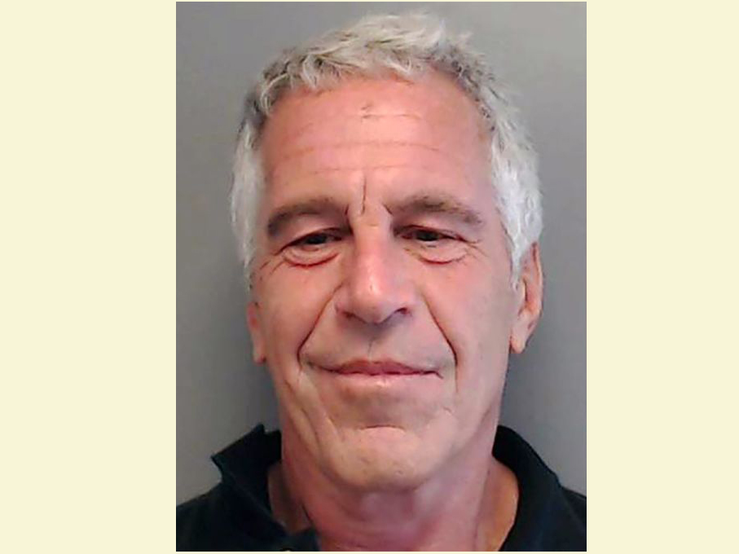 Epstein’s mugshot, via the Justice Department
Blodget told Semafor he had no memory of the decision but was “very proud of BI’s Epstein coverage. We published hundreds of tough stories on him.” A Business Insider spokesperson noted the paper had published hundreds of stories on Epstein, including several that featured his mugshot.
In this article:

Know More
The newly released emails are some of the millions of pieces of correspondence that have resulted in a wave of stories across nearly every corner of global media, forcing prominent figures from Dubai to London to New York to Washington to answer for their ties to Epstein.
The fallout from the files has consumed much of the news media in recent weeks, dominating headlines and coverage at major news institutions as journalists and independent creators dig through the files for embarrassing nuggets of association about high-profile individuals. But the files have also reflected back on Epstein’s relationship with members of the media, revealing Epstein’s tactics for manipulating coverage about himself and the extent to which he attempted to make himself useful to the media for his own gain.
Epstein’s mission to scrub the internet of his crimes received new scrutiny last week in other newsrooms beyond Business Insider. While his social media team was trying to get his mugshot out of digital media coverage, he was also wooing legacy news institutions.
The disgraced financier took an interest in Scientific American; he had a friendly relationship with “nearly everyone” on its board, as well as then-Editor in Chief Mariette DiChristina, who expressed eagerness to meet him. After the most recent batch of emails were released, the publication’s current journalists were put in the uncomfortable position of reaching out to former board members and editors seeking clarification on senior leadership’s relationship with the former financier, and whether he had visited the office or simply met with staff outside of the office.
The files have created some genuine issues for news organizations, whose ranks are filled with individuals with whom Epstein hoped to forge personal connections.
After CBS announced that longevity expert Peter Attia was joining the network as a contributor just a few weeks ago, emails further revealed an Attia email to Epstein sayingthat “Pussy is, indeed, low carb.” The saga has put pressure on new leader Bari Weiss to cut ties with Attia, though Weiss, who built a brand on standing against “cancel culture,” has so far declined. The network seems likely to land on some middle ground; people familiar with the situation told Semafor that while Attia remains a paid contributor, the network has no plans on putting him on the air soon.
The writer Michael Wolff, meanwhile — the only journalist to have written about spending extensive time with Epstein — appears in the files sharing a draft of a profile with Epstein, and thanking him for a pair of shoes.
Most of the revelations in the files have not revealed journalistic sins, but have highlighted uncomfortably close relationships with New York media figures and a man who had been convicted of soliciting a minor.
Staff at Hearst took note this week of the frequency in which board member and scion Austin Hearst dined with Epstein in 2013; emails showed Epstein invited Hearst to visit his home, and the two planned a trip together to visit Harvard. Earlier this year, former New York Times columnist David Brooks was forced to explain that he didn’t know he had attended a lunch with Epstein; photos of the lunch were released by Congressional Democrats just a few weeks after he wrote a column decrying the media and political fixation on Epstein.
Staff at Bloomberg last week also circulated a 2003 email from top editor John Micklethwait to Ghislane Maxwell in which Micklethwait asked to stay at her house while visiting New York. The note was sent well before Epstein’s conviction, but nonetheless circulated within the newsroom as Bloomberg reporters dug into the files. A Bloomberg spokesperson told Semafor that the editor never met Epstein, and “John and Ghislaine Maxwell knew each other from university in the 1980s. He stayed once in her house in 2003 when he was on a book tour in New York.”
Other tidbits from the emails were simply bizarre, such as former anchor Katie Couric thanking Epstein’s team for making a “rockin” lasagna.

Max’s view
The ongoing release of the Epstein files haven’t necessarily revealed any new elements of criminal wrongdoing in the media class. But they’ve become a toxic sludge seeping into various corners of American public life, creating an embarrassing paper trail tying the many people who Epstein interacted with, regardless of how close they actually were.
Many of the shocking claims circulating over the last few weeks are rehashes of stories that were well-covered in the years after Epstein’s 2019 arrest, such as Epstein’s attempts to buy himself good press through media clips in HuffPost and Forbes, and former New York Times reporter Landon Thomas’ cozy relationship with Epstein, which eventually led to his departure from the paper. Last week, the Daily Beast and a former Daily Beast editor both scolded Free Press writer Nellie Bowles over her friendly emails with Epstein, though Bowles had written about the encounter in 2019 — a matter I remember looking into as a reporter for the Beast at the time.
But the extent of Epstein’s connections to seemingly countless powerful individuals in numerous fields, including media, validates the feeling that some Epstein obsessives have shared. The number of notable public figures who interacted with Epstein in a friendly way at various points after his conviction creates the impression that many people in power simply did not care about what he had done. The disgraced financier’s connections and his coverup attempts show just how much prominent individuals were willing to overlook his misdeeds if it meant a free flight or some designer clothes.
In a media landscape increasingly defined by power and influence, the emails offer journalists a cautionary tale and a road map for covering the elite.
The files also do show the amount to which real accountability journalism had an impact. The emails showed Epstein’s team fretting about coverage from former Daily Beast editor Tina Brown, who said this week, “While I am gratified to learn that I got under Jeffrey Epstein’s skin, just being mentioned at all feels like being splashed by the putrid wash of his venal world.” Emails showed that Epstein’s SEO team was frustrated by other digital tabloids, which it worked to downrank in search results. Epstein’s tech consultant boasted about bumping down a negative New York Post story about Epstein.
But they expose aspects of the news media that can be described as at best lazy and at worst complicit with his efforts at public rehabilitation. The emails show how easily some digital media figures and companies were taken advantage of; publications that were publishing hundreds of articles a day hardly blinked when a positive article about a financier showed up, or a serious-sounding foundation official asked for an image tweak. Even worse, they show how easy it was for serious media figures to look the other way because “almost everyone… is a friend of yours.”