



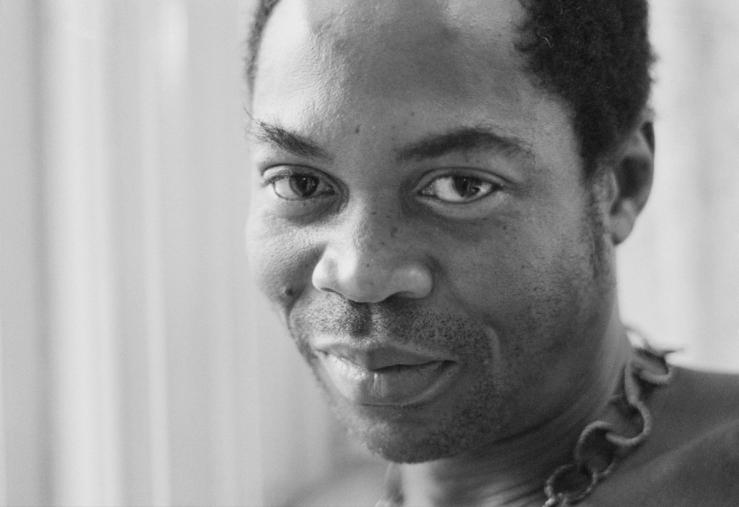
There are artists who make music, and there are artists who change the world. Fela Aníkúlápó Kuti belonged decisively to the latter. More than a musician, Fela was a political force, a philosopher of sound, and one of the most important African voices of the 20th century. His enduring relevance lies not only in what he said, but in how he said it — through rhythm, consistency, and fearless truth-telling.
This is why the Nigerian star, who created the original Afrobeat sound, posthumously received a Lifetime Achievement Award at the Grammys this year, almost three decades after his death at the age of 58. It was long overdue.
In our current era, there is often plenty of talk about Africa benefiting from its “soft power,” but Fela fused his sound and struggle to show us that culture is not soft — it is powerful. As long as music is used to question authority, affirm dignity, and imagine freedom, Fela will remain not just relevant, but essential.
The simple truth is that “Fela lives” and remains immortal because of songs like Zombie (challenging the brutality of military authoritarianism); Shuffering and Shmiling (the daily urban African struggle), and Beasts of No Nation (calling out the inequities of the Western multilateral system) are all still relevant today and will be tomorrow. The Grammy recognition was timely and he is the first African to be so honored.
Even though Fela didn’t care about awards, this recognition plays a role in the global music economy. Platforms like the Grammys do not confer legitimacy — the people do that — but they unlock access and value on the global stage. Visibility creates leverage.
Fela had already proved African music could be political, philosophical, commercially viable, and globally respected at the same time. He toured the world on his own terms, built a movement around sound and identity, and refused to separate art from life. That fusion is why his work continues to resonate far beyond Nigeria.
There is a powerful economic lesson here for today’s artists. His legacy continues to generate value — through his extensive catalog, publishing, licensing, theater, film, fashion, festivals, and cultural programming worldwide. This is the power of catalog and ownership — not just hits. Fela built musical depth, not trends. He created work that could be reinterpreted endlessly without losing meaning. Legacy compounds when authenticity is protected.
Today’s African artists must think beyond virality. Beyond the next single. The real value lies in owning intellectual property, building bodies of work, and anchoring success in identity. When the trend fades, meaning remains — and meaning is bankable over time.
The connection between Afrobeat and today’s Afrobeats is neither accidental nor cosmetic. If hip hop is Afrobeats’ first cousin, then Fela is its godfather. The DNA is clear: the call-and-response, the swagger, the political undertone, the confidence of Black expression without apology. Hip-hop artists have long drawn from Fela’s work, recognizing Afrobeat’s rhythmic complexity and ideological power. Today’s Afrobeats may be more melodic, more digital, and more commercial, but its global confidence stands on foundations Fela helped lay.
Fela’s greatest achievement may be that his music never fossilized. His children, Femi, Yeni, and Seun, and Made, his grandson, have kept the flame alive, with the New Afrika Shrine in Lagos, Felabration, global reinterpretations, theater, film, and continued sampling across genres, Afrobeat remains a living, breathing force. It adapts, it speaks, it provokes.
Fela Lives.