


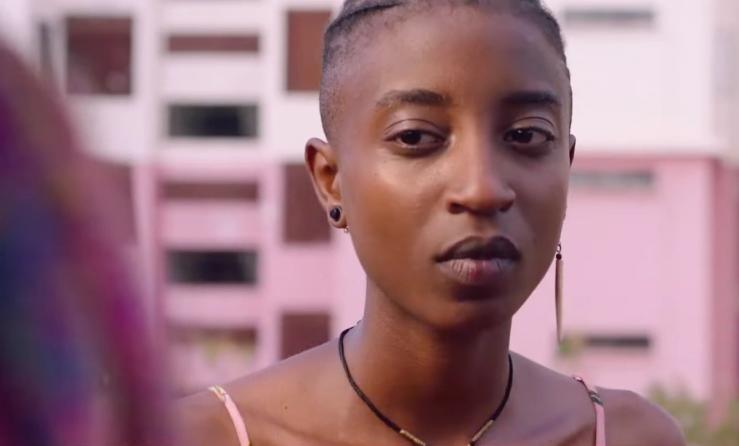
A critically acclaimed Kenyan film banned in Kenya may finally be screened after eight years.
Rafiki, a love story between two teenage girls in Nairobi, was the first Kenyan film selected for the Cannes Film Festival. It was released in theaters worldwide, except in its home country where homosexuality is criminalized — “an absurd situation where a Kenyan story about Kenyan characters could be watched everywhere except Kenya,” wrote Brittle Paper, a digital magazine about African literature.
Last month, a Kenyan court ruled that the 2018 ban was unconstitutional.
African films depicting same-sex relationships have historically been censored on the continent, including those that garnered international accolades. The ruling signals a “subtle but significant shift” in how such films might negotiate censorship, an academic argued, as it becomes harder to ignore their overseas “visibility, prestige and market value.”