




The News
The philanthropic community is “losing the argument” on the benefits of global aid, the CEO of the Gates Foundation warned, after cuts in development spending led to the first increase in child mortality rates since the start of this century.
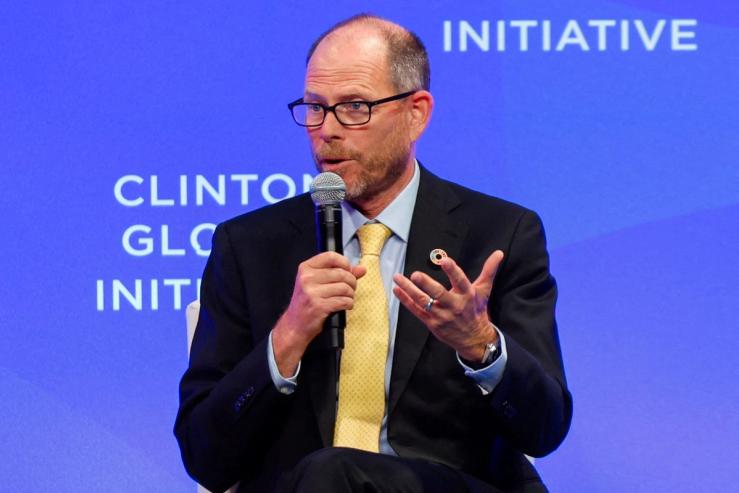
“We’ve hopefully not lost [it], but I’m very conscious that we are currently losing the argument, and that is very damaging,” Mark Suzman said in an interview accompanying the release of his annual letter.
It has become “very easy in rich countries, broadly, to target foreign aid as a big lump” of spending that is in competition with budgets for pressing domestic needs, he said. The foundation is now looking to reframe its messaging as it details a “road map” for spending a final $200 billion of Bill Gates’ Microsoft fortune before closing in 2045.
Most Western taxpayers still support foreign aid if they are told that the money will be spent effectively to save children’s lives, Suzman said. “Trying to articulate that case in its very human, deliverable context is a key part of reframing that [message to] see if we can actually rebuild some support for this kind of targeted, high-impact aid.”
In this article:

Know More
The number of children dying of preventable diseases halved from 10 million to 4.6 million between 2000 and 2024, but rose again by an estimated 200,000 in 2025, according to modeling by the Institute for Health Metrics and Evaluation at the University of Washington. Suzman said he believed the withdrawal of tens of billions of dollars in health and development funding by the US and other wealthy countries was the primary cause of that increase.
There are “massive inefficiencies” and “lots of room for improvement” in the international aid system, he said, “but in these specific areas where we work, especially in health, that is not the area that should be cut.”
In his letter, Suzman called for “a new era of cooperation” to fight preventable deaths and diseases, and said the foundation would step up its focus on building government capacity in low- and middle-income countries and bringing in other donors and philanthropists before it shutters.
The Gates Foundation announced last year that the nonprofit would close in 20 years. To “accelerate its impact” before then, it will focus on three goals, Suzman said: ensuring that no mother or child dies of a preventable disease; eradicating polio and malaria while turning tuberculosis and HIV into manageable conditions; and freeing hundreds of millions of people from poverty through educational and agricultural reforms.
That will entail ending some other programs, such as a financial inclusion initiative, which have achieved their goals or can be “transitioned” to other partners.
Last year was the “the most disruptive year in terms of global health and development this century,” Suzman said, but it was not yet clear whether it was “an anomaly, or the beginning of an extended reversal of progress.”

Room for Disagreement
The World Health Organization’s agenda is being skewed by a growing reliance on the Gates Foundation as the US and other rich countries cut funding, according to research published in BMJ Global Health last year. The UN agency denies its work is being slanted by external donors.

Notable
- US President Donald Trump “likes the idea of finishing polio,” Bill Gates told the Financial Times’ Gideon Rachman. Gates hopes US funding for global health will be restored, but said childhood mortality “hangs in the balance” and cuts to US funding for the World Bank’s International Development Association could cause “a gigantic collapse.”
- Gates is one of several powerful individuals facing fresh scrutiny after the US release of further documents related to Jeffrey Epstein. A spokesman for Gates, who has called his meetings with the late sex offender “a huge mistake,” called the claims about Gates in the latest batch of Epstein emails “absolutely absurd and completely false.”